

Community growth is an important part of building a strong and engaged audience around a brand, business, product, or shared interest. A growing community can create opportunities for meaningful conversations, customer relationships, feedback, advocacy, and long-term engagement. However, simply increasing the number of members is not enough. Businesses also need to create an environment where people want to participate and return regularly.
Modern audiences increasingly value authentic interactions and useful experiences. They want opportunities to ask questions, share opinions, learn from others, and connect with people who have similar interests. A well-planned community growth strategy can support these expectations by combining valuable content, consistent communication, social interaction, and member-focused activities.
What Is Community Growth?
Community growth refers to the process of attracting new members while encouraging existing members to remain active and engaged. It involves expanding a community in a sustainable way through useful content, meaningful interactions, referrals, social channels, events, and consistent member experiences.
Growth Beyond Member Numbers
A large community does not automatically mean a successful community. If most members never interact, ask questions, contribute content, or participate in discussions, the community may have limited value.
Effective growth focuses on attracting relevant members who are genuinely interested in the community’s topic or purpose. Quality participation can be more valuable than simply increasing the total number of members.
Connecting Growth With Engagement
Growth and engagement should work together. New members need a clear reason to participate, while existing members need ongoing opportunities to remain involved.
Businesses can support this connection by welcoming new members, providing useful resources, encouraging discussions, and recognizing contributions. These activities can make the community more attractive to both new and existing participants.
Create a Clear Community Purpose
A clear purpose gives people a reason to join and remain active. Before implementing growth tactics, businesses should define what the community offers and who it is designed to serve.
Define Your Target Audience
Understanding the ideal community member helps businesses create more relevant content and communication. Consider the audience’s interests, challenges, goals, professional background, or reasons for joining.
A clearly defined audience also makes promotional efforts more focused. Instead of trying to attract everyone, businesses can reach people who are more likely to participate and contribute meaningfully.
Establish a Strong Value Proposition
Potential members should understand what they can gain from joining. The value may include educational resources, expert advice, networking opportunities, exclusive content, peer support, product information, or access to useful discussions.
A strong value proposition communicates the community’s purpose clearly and helps differentiate it from other online spaces.
Use Social Platforms to Support Community Growth
 Social platforms can provide powerful opportunities to attract new members and encourage conversations. A well-managed Social media community can connect people around shared interests while increasing brand visibility.
Create Shareable Community Content
Useful and engaging content can encourage existing members to share posts with their networks. Educational tips, customer stories, industry insights, questions, short videos, polls, and discussion-based posts can generate interaction.
Content should be designed around the interests of the target audience rather than focusing entirely on promotional messages. Valuable content gives people a reason to follow, participate, and recommend the community.
Encourage Conversations
Social platforms become more valuable when businesses create two-way conversations. Asking open-ended questions, responding to comments, and inviting members to share experiences can encourage participation.
Businesses should avoid treating social channels only as publishing platforms. Active conversations can make members feel that their opinions are recognized and valued.
Strengthen Community Management
Effective Community management helps maintain a positive and organized environment as the number of members increases. It involves moderating discussions, answering questions, supporting members, encouraging participation, and maintaining community standards.
Welcome New Members
A welcoming experience can influence whether new members become active participants. Businesses can introduce new members to important resources, community guidelines, popular discussions, and opportunities to participate.
Personalized welcome messages or onboarding activities can help new members understand how the community works. They can also reduce the uncertainty that sometimes prevents people from making their first contribution.
Maintain Community Guidelines
Clear guidelines help members understand acceptable behavior and communication standards. Rules can address respectful discussions, promotional content, spam, privacy, and other community-specific concerns.
Consistent moderation is equally important. When guidelines are applied fairly, members can feel more comfortable participating and sharing their opinions.
Invest in Online Community Building
Online community building involves creating a digital environment where people can connect, communicate, and exchange valuable information. It can include social groups, forums, membership platforms, private communities, or dedicated online spaces.
Choose the Right Platform
The ideal platform depends on audience behavior and community objectives. Some audiences may prefer social media groups, while others may benefit from dedicated forums, professional networks, or membership platforms.
Businesses should consider communication features, content formats, moderation tools, privacy requirements, and scalability before selecting a platform.
Design an Easy Member Experience
A community should be easy to understand and navigate. Members should quickly know where to find discussions, resources, announcements, events, and support.
A simple structure can reduce confusion and encourage participation. Businesses should regularly review navigation and community organization as the number of members and content grows.
Create Content That Encourages Participation
Content plays a major role in attracting new members and keeping existing members engaged. The best community content should encourage conversation rather than simply deliver information.
Use Educational Content
Educational guides, tutorials, expert insights, webinars, and practical resources can provide valuable reasons for people to join a community. Educational content can also position the business as a useful source of information. When members consistently find answers and practical guidance, they may be more likely to return and participate.
Encourage User-Generated Content
User-generated content gives members an opportunity to contribute their own experiences and knowledge. Members can share reviews, success stories, photos, questions, case studies, or helpful recommendations.
Featuring valuable contributions can motivate others to participate. It also helps create a community culture where members contribute to one another rather than relying entirely on the business.
Build Engagement Through Events and Activities
Events can create memorable opportunities for members to interact. They can also give potential members a clear reason to join and participate.
Host Online Events
Webinars, live Q&A sessions, workshops, panel discussions, virtual networking events, and product demonstrations can bring members together around specific topics.
Events can generate conversations before, during, and after the session. Businesses can use these interactions to identify common questions and develop future content.
Organize Community Challenges
Challenges can encourage participation through structured activities. Businesses might organize learning challenges, creative activities, discussion prompts, or customer-focused challenges depending on the community’s purpose.
The key is to make participation accessible and relevant. A simple activity that many members can complete may create more engagement than a complicated challenge.
Encourage Member-to-Member Connections
A strong community should not depend entirely on communication between the business and its members. Member-to-member relationships can make the community more valuable and sustainable.
Create Discussion Opportunities
Discussion threads can encourage members to exchange experiences, ask questions, and provide advice. Businesses can start conversations around common challenges, industry developments, customer experiences, or relevant trends. Moderators can guide discussions when necessary while allowing members enough freedom to share their perspectives.
Recognize Valuable Contributors
Recognizing helpful members can encourage continued participation. Businesses can highlight insightful comments, helpful resources, community milestones, or valuable contributions.
Recognition can be public or private depending on the situation. The objective is to show members that meaningful participation is noticed and appreciated.
Use Referrals to Support Community Growth
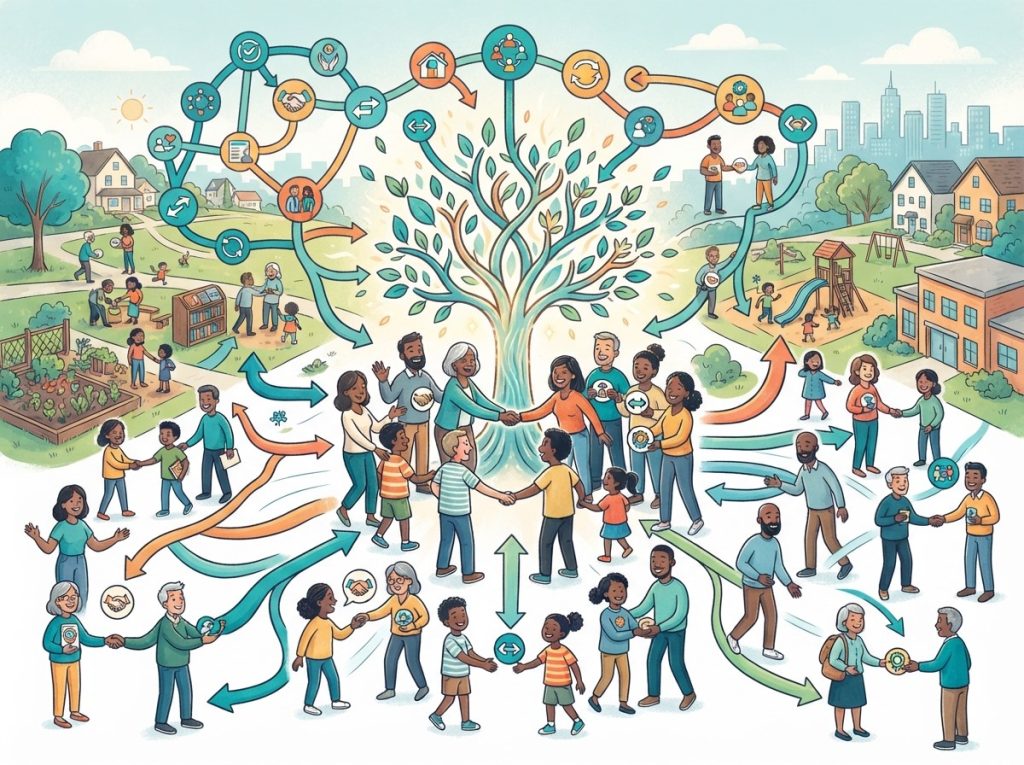 Existing members can become an important source of new community members. People are often more likely to explore a community when it is recommended by someone they trust.
Create Member Referral Opportunities
Businesses can encourage members to invite people who would genuinely benefit from the community. Referral programs, exclusive resources, event invitations, or recognition can support participation.
Referral efforts should prioritize relevance rather than volume. Attracting people who are genuinely interested can lead to stronger engagement and better community quality.
Make Sharing Easy
Businesses can provide simple ways for members to share valuable discussions, resources, events, or community content. Shareable links and clear invitations can reduce the effort required to recommend the community. The easier it is for members to explain the community’s value, the more likely they may be to introduce it to relevant audiences.
Measure Community Growth and Engagement
Tracking performance helps businesses understand whether their community strategy is attracting the right people and creating meaningful participation.
Monitor Key Growth Metrics
Businesses can track new members, returning members, active members, referral sources, content participation, event attendance, and community retention.
These metrics can reveal whether growth is sustainable. For example, a high number of new members combined with low participation may indicate that the community needs stronger onboarding or more relevant content.
Analyze Engagement Quality
Engagement quality is often more important than raw activity numbers. Businesses should examine meaningful discussions, useful contributions, member retention, feedback, and repeat participation. Regular analysis can help identify which activities generate the strongest responses and where improvements may be needed.
Personalize the Community Experience
Personalization can help members find content and interactions that are relevant to their interests. Businesses can organize discussions, resources, and communications around different member needs.
Segment Community Members
Members may have different interests, experience levels, goals, or reasons for joining. Segmentation can help businesses provide more relevant content and activities.
For example, new members may need introductory resources, while experienced members may prefer advanced discussions. Understanding these differences can improve the overall community experience.
Recommend Relevant Content
Businesses can guide members toward discussions, resources, events, or content that match their interests. This can make large communities easier to navigate.
Relevant recommendations can also encourage members to explore more of the community and participate in conversations that are useful to them.
Best Practices for Sustainable Community Growth
 Sustainable growth requires consistent effort and a long-term focus. Businesses should avoid relying only on short-term promotional tactics that generate members without creating meaningful participation.
Prioritize Quality Over Quantity
Attracting relevant members should be more important than simply increasing membership numbers. A smaller community with active, interested participants can create more meaningful conversations than a large inactive audience. Quality also improves moderation and member experience by keeping discussions focused on the community’s purpose.
Listen to Member Feedback
Member feedback can reveal what people enjoy, what they find difficult, and what they want from the community. Businesses should regularly create opportunities for members to share their opinions.
Listening is most effective when businesses use feedback to make practical improvements. Communicating those improvements can further demonstrate that member participation matters.
Stay Consistent
Community growth is an ongoing process. Regular content, active moderation, meaningful discussions, events, and member recognition can help maintain momentum.
Businesses should establish realistic publishing and engagement schedules that they can maintain over the long term. Consistency creates familiarity and gives members reasons to return.
Conclusion
Community growth is not simply about increasing the number of members. It is about attracting the right audience, creating meaningful interactions, providing consistent value, and developing an environment where people want to participate. A strong Social media community can help businesses attract new audiences and start conversations, while effective Community management can keep those interactions organized, welcoming, and valuable.
At the same time, strategic Online community building can create a dedicated environment where members connect, share experiences, and develop stronger relationships. By combining useful content, member recognition, events, referrals, personalization, and continuous measurement, businesses can create sustainable communities. The focus should remain on building genuine relationships and providing value, because engaged members are more likely to participate consistently and contribute to long-term community success.
Frequently Asked Questions
1. What is community growth?
Community growth is the process of attracting new members while keeping existing members active and engaged. It focuses on both increasing membership and creating meaningful participation within the community.
2. Why is community growth important for businesses?
Community growth can help businesses build stronger relationships with customers, increase engagement, collect feedback, encourage advocacy, and create a long-term audience around their brand or shared interests.
3. How can social media support community growth?
Social media can help businesses attract new members, start conversations, share useful content, promote events, and encourage existing members to invite relevant people into the community.
4. What is Community management?
Community management involves maintaining and supporting a community through moderation, member communication, content coordination, answering questions, enforcing guidelines, and encouraging meaningful participation.
5. What is Online community building?
Online community building is the process of creating a digital environment where people with shared interests, goals, or experiences can communicate, exchange information, and develop relationships.
6. How can businesses attract new community members?
Businesses can attract members through valuable content, social media promotion, referrals, events, educational resources, partnerships, and clear communication about the benefits of joining.
7. How can a community increase member engagement?
A community can increase engagement through discussions, polls, events, challenges, educational content, member recognition, user-generated content, and consistent responses to questions and contributions.
8. Is a large community always better?
No. A large membership number does not necessarily indicate a successful community. Active and relevant members who participate in meaningful discussions can provide more value than a large inactive audience.
9. How often should businesses post in a community?
There is no universal posting frequency. Businesses should choose a schedule they can maintain consistently while prioritizing useful content and meaningful conversations rather than posting simply to increase activity.
10. How can community growth be measured?
Businesses can measure new members, active members, retention, engagement, referrals, event participation, content contributions, discussions, and returning members. The right metrics depend on the community’s goals.