
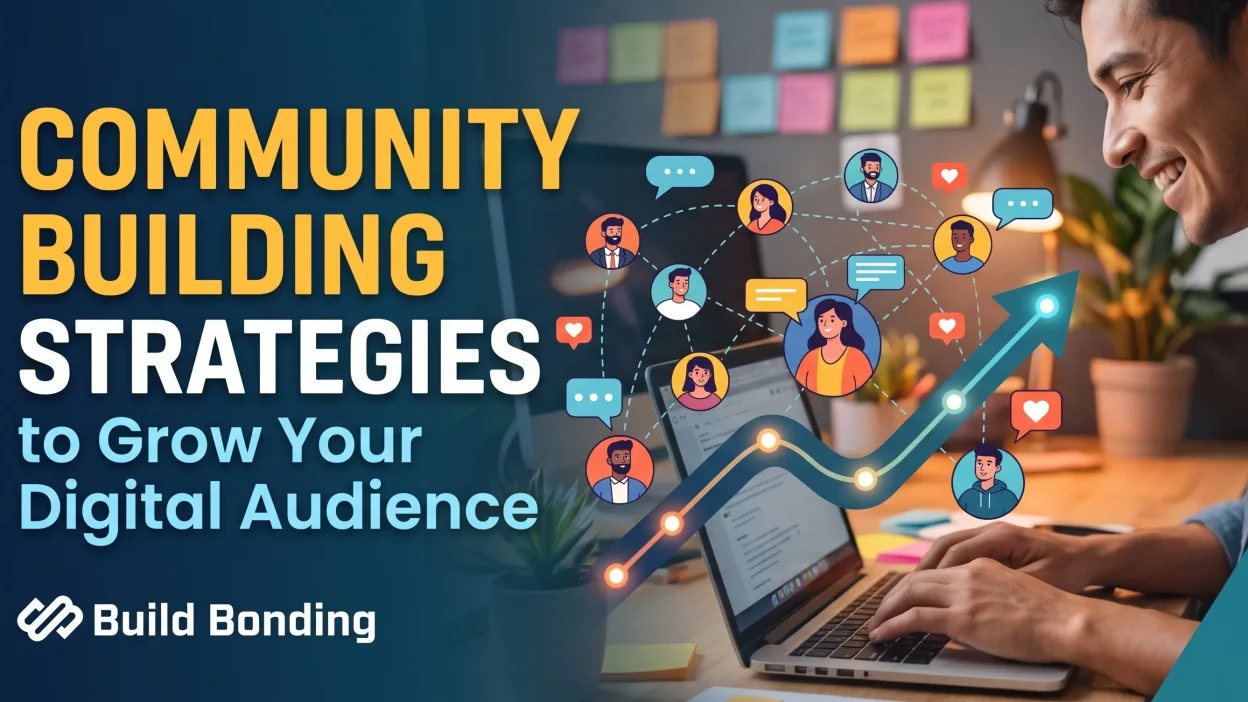
In today’s competitive digital landscape, building an audience requires more than publishing content and promoting products. Businesses need meaningful relationships with people who share similar interests, goals, and values. Effective Community Building Strategies help brands connect with their audiences, encourage conversations, and create an environment where members feel valued. Instead of focusing exclusively on gaining followers, businesses can build communities that encourage participation and long-term engagement.
A strong online community allows members to exchange ideas, ask questions, share experiences, and interact directly with a brand. These relationships can improve customer trust, increase brand awareness, and support sustainable digital growth. By combining Community driven marketing, Community marketing, and a well-developed Brand community, businesses can transform passive audiences into active participants who contribute to the brand’s growth.
Understanding Community Building Strategies
Community building involves creating and maintaining a space where people can connect around shared interests, experiences, or objectives. Successful Community Building Strategies focus on relationships rather than simply increasing follower counts. They encourage meaningful participation, provide consistent value, and establish a welcoming environment where members feel comfortable contributing.
Businesses can develop communities through social media groups, online forums, membership platforms, branded websites, and professional networks. The best platform depends on the target audience and the type of interaction the business wants to encourage. A carefully planned strategy helps maintain consistency and gives members clear reasons to participate.
Why Community Building Matters for Digital Growth
An engaged community can help businesses understand customer preferences, discover new opportunities, and strengthen relationships with existing audiences. Members may recommend products, share useful information, and introduce new people to the community. These interactions can increase organic visibility without requiring every conversation to begin with paid advertising.
Community participation also provides valuable feedback. Businesses can learn which topics interest their audiences, identify common challenges, and improve their products or services based on real conversations. This makes community building an important part of a sustainable digital marketing strategy.
Identify Your Target Audience and Shared Interests
 Understanding the target audience is an essential first step in building a successful online community. Businesses should identify the people they want to reach, the problems those individuals experience, and the interests that bring them together. Without this understanding, community activities may attract attention without creating meaningful engagement.
Audience research can include customer surveys, social media discussions, website analytics, and feedback from existing customers. These sources help identify common questions, preferred content formats, and relevant topics. Businesses can then create a community experience that reflects members’ actual needs rather than relying on assumptions.
Develop a Clear Community Purpose
Every successful community needs a recognizable purpose. Members should understand why the community exists, what they can gain from joining, and how they can contribute. A clear purpose might involve professional development, product education, shared hobbies, industry discussions, or solving specific customer problems.
A focused community is generally easier to manage because its discussions and activities follow a consistent direction. When the purpose is clear, businesses can create relevant content, establish appropriate participation guidelines, and attract people who genuinely want to engage.
Choose the Right Platforms for Community Engagement
Selecting the right platform influences how people discover, join, and interact with a community. Some audiences prefer social media groups because they already use these platforms daily. Others may benefit from dedicated forums, private membership websites, messaging communities, or professional networking platforms.
Businesses should consider audience preferences, available resources, moderation requirements, and long-term goals before making a decision. Managing too many platforms at once can divide attention and reduce the quality of interactions. Starting with one primary platform often makes it easier to establish consistent communication and understand member behavior.
Create a Consistent Community Experience
A consistent experience helps members recognize the community and understand what to expect. Businesses should maintain a recognizable tone, publish content regularly, and respond to questions within a reasonable timeframe. Clear community guidelines can also prevent spam, harassment, and irrelevant promotional activity.
Consistency does not mean publishing content every day without considering quality. Instead, it means maintaining dependable communication and offering useful opportunities for participation. Over time, these habits help establish trust and make the community a more valuable destination for its members.
Use Community driven marketing to Encourage Participation
Community driven marketing places community members and their experiences at the center of marketing activities. Rather than relying entirely on brand-created promotional messages, businesses encourage members to share feedback, discuss challenges, recommend solutions, and participate in relevant conversations.
This approach can make marketing feel more authentic because the community contributes to the overall experience. For example, a software company might invite users to share workflow improvements, while a fitness brand could encourage members to discuss their training experiences. These activities create useful conversations while helping businesses understand what matters most to their audiences.
Encourage User-Generated Content
User-generated content includes reviews, testimonials, photographs, tutorials, personal experiences, and other contributions created by customers or community members. Encouraging these contributions gives members opportunities to participate while providing the brand with authentic material to share.
Businesses can introduce themed discussions, member spotlights, creative challenges, and customer story features. Participation should remain voluntary, and any incentives or promotional relationships should be disclosed appropriately. When members see their contributions appreciated, they may become more interested in participating again.
Strengthen Relationships Through Community marketing
 Community marketing focuses on developing relationships with people who share an interest in a brand, product, service, or subject. It emphasizes ongoing interaction instead of treating every customer interaction as a separate sales opportunity. This approach helps businesses create stronger connections with their audiences over time.
Effective community marketing includes educational content, interactive discussions, online events, customer feedback sessions, and opportunities for members to support one another. Businesses should balance promotional messages with useful information and genuine conversations. When every interaction revolves around selling, members may lose interest or view the community as another advertising channel.
Build Trust Through Helpful Communication
Trust develops when businesses communicate honestly, respond respectfully, and follow through on their commitments. Community managers should acknowledge questions, provide accurate information, and address concerns without dismissing members’ experiences.
Transparency is particularly important when discussing products, pricing, customer feedback, or service limitations. Businesses should avoid making promises they cannot fulfill and should correct inaccurate information when necessary. Consistent, helpful communication creates a stronger foundation for long-term relationships and encourages members to remain involved.
Develop a Strong Brand community
A Brand community is a group of people connected by their interest in a particular brand and the experiences, values, or identity associated with it. Members may exchange advice, discuss products, share achievements, and help other customers solve problems.
Building a strong brand community requires more than creating a group with a company logo. Businesses need to provide genuine value and create opportunities for members to connect with each other. When the community becomes useful independently of direct brand promotion, members have stronger reasons to remain active.
Give Members a Sense of Belonging
People are more likely to participate when they feel recognized and included. Businesses can encourage belonging by welcoming new members, celebrating milestones, highlighting helpful contributions, and creating opportunities for members to collaborate.
Recognition should be meaningful rather than limited to a small group of highly active participants. New members, occasional contributors, and experienced members should all have opportunities to feel included. Inclusive communication and fair moderation help create a positive environment where different perspectives can be shared respectfully.
Create Valuable Content That Encourages Engagement
Content gives community members something useful to discuss, learn from, or share. Educational guides, practical tutorials, expert interviews, discussion prompts, case studies, and frequently asked questions can help maintain interest while addressing audience needs.
Businesses should develop content around the problems and interests identified during audience research. For example, a digital marketing community might discuss campaign planning, website optimization, and content performance. Content should encourage meaningful interaction rather than simply generate reactions or clicks.
Use Interactive Content Formats
Interactive content gives members a direct role in community activities. Polls, question-and-answer sessions, live discussions, workshops, and member challenges can encourage participation and reveal useful audience insights.
Businesses should select formats that suit their members’ preferences and available time. A short weekly discussion may be more effective than a lengthy live event for a busy professional audience. Reviewing participation data and collecting feedback can help refine future activities and improve the overall community experience.
Measure Community Growth and Engagement
 Successful community building requires regular evaluation. Businesses should measure whether their activities attract relevant members, encourage meaningful participation, and support broader marketing objectives. Follower growth alone cannot show whether a community is healthy or valuable.
Useful indicators include active members, repeat participation, meaningful comments, discussion quality, event attendance, referral traffic, member retention, and customer feedback. Businesses can also monitor how frequently members answer questions, recommend the community, or contribute useful resources.
Improve Your Strategy Using Community Insights
Community data can reveal which activities generate the strongest response and where members experience difficulties. If discussions receive little participation, businesses may need to improve their topics, timing, or format. If many members join but quickly become inactive, the onboarding experience or ongoing value may require attention.
Regular reviews help businesses adjust their approach instead of repeating ineffective activities. Combining quantitative measurements with direct member feedback provides a more complete understanding of community performance. The objective is not simply to maximize activity but to build a useful, welcoming, and sustainable environment.
Common Community Building Mistakes to Avoid
One common mistake is prioritizing membership numbers over meaningful relationships. A large community may appear successful, but inactive members and irrelevant discussions can limit its actual value. Businesses should focus on attracting the right people and providing reasons for them to participate consistently.
Another mistake is treating the community primarily as a sales channel. Excessive promotion can discourage honest discussion and reduce trust. Businesses should also avoid inconsistent moderation, ignoring member feedback, and creating unrealistic expectations about response times. Establishing clear guidelines, providing consistent value, and listening to members can help prevent these problems.
Conclusion
Effective Community Building Strategies help businesses grow their digital audiences by creating meaningful relationships, encouraging participation, and delivering consistent value. By understanding audience needs, selecting appropriate platforms, using Community driven marketing, strengthening Community marketing, and developing a recognizable Brand community, businesses can create an environment where members feel connected and appreciated.
Long-term community growth depends on patience, consistency, and continuous improvement. Businesses should prioritize useful conversations, recognize member contributions, and measure engagement beyond follower counts. With a clear purpose and a member-focused approach, an online community can become a valuable foundation for brand awareness, customer relationships, and sustainable digital growth.
Frequently Asked Questions
1. What are Community Building Strategies?
Community Building Strategies are methods businesses use to attract relevant people, encourage participation, and develop lasting relationships within an online or offline community. They typically involve audience research, useful content, consistent communication, and community engagement activities.
2. Why is community building important for digital audiences?
Community building helps businesses develop stronger relationships with their audiences. It encourages meaningful conversations, supports customer loyalty, provides feedback, and can increase organic visibility when members share useful information or recommend the community to others.
3. How can businesses start building an online community?
Businesses can begin by identifying a specific audience, defining a clear community purpose, and selecting a suitable platform. They should then publish relevant content, welcome new members, encourage discussions, and maintain consistent moderation.
4. What is Community driven marketing?
Community driven marketing is an approach that involves community members in marketing activities through discussions, feedback, shared experiences, and user-generated content. It emphasizes participation and authentic relationships rather than relying exclusively on traditional promotional messages.
5. How does Community marketing differ from traditional marketing?
Community marketing focuses on developing ongoing relationships and encouraging interaction among people with shared interests. Traditional marketing often emphasizes delivering promotional messages to an audience, while community marketing gives members opportunities to participate and connect.
6. What is a Brand community?
A Brand community is a group of people connected through their interest in a specific brand, its products, or its values. Members may share experiences, exchange advice, discuss products, and support other customers.
7. Which platforms are best for community building?
The best platform depends on the target audience and community objectives. Social media groups, online forums, messaging platforms, professional networks, and dedicated membership websites can all support community building when they match members’ preferences.
8. How can businesses increase community engagement?
Businesses can increase engagement by sharing useful content, asking relevant questions, organizing interactive events, recognizing member contributions, and responding to discussions. Consistent communication and a welcoming environment also encourage members to participate more frequently.
9. How can community growth be measured?
Community growth can be measured through active membership, repeat participation, discussion quality, member retention, event attendance, referral traffic, and customer feedback. These indicators provide more insight than total membership numbers alone.
10. How long does it take to build a successful online community?
The timeline depends on the target audience, platform, resources, and consistency of engagement. Some communities develop initial activity within weeks, while establishing trust, strong participation, and sustainable growth may take several months or longer.