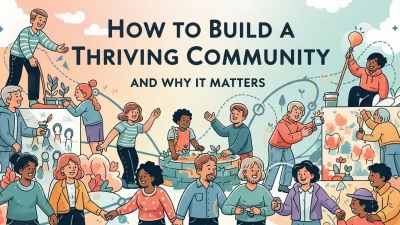


Community marketing has become an important strategy for businesses that want to build stronger relationships with their customers. Instead of focusing only on promotional messages and short-term transactions, community marketing creates opportunities for customers to interact with a brand, share experiences, exchange ideas, and connect with other people who have similar interests.
When customers feel connected to a brand and its community, they may become more willing to recommend the brand to others. These customers can share experiences, answer questions, create user-generated content, participate in discussions, and introduce new people to the brand.
A strong community does not develop overnight. Businesses need consistent communication, valuable content, active participation, and thoughtful relationship management. By combining these elements, brands can create an environment where customers feel involved rather than simply targeted by marketing campaigns.
What Is Community Marketing?
Community marketing is a strategy that focuses on building relationships among a brand, its customers, and people who share common interests. Instead of treating customers as individual buyers, businesses create spaces where people can interact, participate, and contribute.
These spaces can include online groups, forums, social media communities, customer platforms, membership programs, events, and other digital environments.
From Customers to Community Members
Traditional marketing often focuses on attracting customers and encouraging purchases. Community marketing expands this relationship by giving customers opportunities to remain connected after a transaction.
A customer may begin by purchasing a product but later become an active community participant. They might ask questions, share feedback, help another customer, or discuss their experience with the brand.
Why Community Matters for Brands
A community can create repeated interactions between customers and a business. These interactions provide opportunities to understand customer interests, identify common concerns, and create content that addresses real needs. Over time, regular participation can create familiarity and a stronger connection between customers and the brand.
How Community Marketing Builds Customer Relationships
 Strong customer relationships are built through consistent and meaningful interactions. Community marketing gives businesses an environment where those interactions can happen naturally.
Instead of communicating only when a product is being promoted, brands can provide educational resources, discussions, support, events, and opportunities for customers to contribute.
Creating Meaningful Interactions
Meaningful interaction starts with understanding what customers actually want from a community. Some customers may want educational content, while others may prefer discussions, product support, networking, or opportunities to share experiences. Businesses can use customer feedback and community activity to identify topics that encourage participation.
Building Trust Through Consistency
Trust develops when businesses consistently provide useful information and respond appropriately to customer concerns. A community can help demonstrate that a brand values customer conversations beyond immediate sales. Regular communication, transparent responses, and helpful resources can contribute to a more reliable customer experience.
The Role of a Social Media Community
A Social media community can provide an accessible environment where customers interact with brands and one another. Platforms such as Facebook, LinkedIn, Instagram, and other social networks can support conversations around products, interests, educational topics, and customer experiences. However, simply creating a social group does not automatically create an active community.
Encouraging Social Conversations
Brands can encourage conversations by asking relevant questions, sharing useful information, highlighting customer experiences, and creating discussion topics. Posts should give people a reason to participate rather than constantly asking them to purchase something.
Supporting User-Generated Content
Customers can contribute photos, reviews, experiences, tutorials, opinions, and other forms of user-generated content. These contributions can help make a community more authentic because customers become active participants in the brand story.
Businesses can encourage this participation by recognizing useful contributions and creating opportunities for members to share their experiences.
How Community Management Supports Brand Advocacy
 Community management plays an important role in maintaining an active and healthy community. Effective Community management includes monitoring conversations, responding to questions, encouraging participation, resolving issues, and maintaining appropriate community standards. Good management can help customers feel that their contributions are noticed and their concerns are taken seriously.
Responding to Customer Questions
Customers often use communities to find answers before contacting traditional support channels. Responding clearly and quickly can make the community more useful.
Answers can also benefit other members who may have similar questions. Over time, repeated questions can reveal opportunities for creating guides, FAQs, videos, or educational content.
Recognizing Active Members
Recognition can encourage members to participate more frequently. Businesses can highlight valuable contributions, thank members for helpful answers, or feature useful customer stories.
Recognition does not always need to involve financial rewards. Public appreciation and meaningful acknowledgment can also encourage participation.
Online Community Building for Long-Term Engagement
Online community building focuses on creating a digital environment where people have clear reasons to join, participate, and return. Successful communities usually provide value beyond promotional content.
Members should understand what they can gain from participating, whether that involves learning, support, networking, entertainment, discussion, or access to useful resources.
Defining a Clear Community Purpose
A clear purpose helps attract people who are genuinely interested in participating. A community might focus on education, product support, professional interests, shared hobbies, customer experiences, or industry discussions. When the purpose is clear, businesses can create more relevant content and establish appropriate community guidelines.
Creating Valuable Community Content
Useful content gives members reasons to remain active. Businesses can publish educational articles, tutorials, discussion prompts, customer stories, expert insights, live sessions, and other resources. The content should address community interests rather than turning every interaction into a sales opportunity.
Turning Engaged Customers Into Brand Advocates
Brand advocacy often develops when customers have positive and meaningful experiences with a business. Community marketing can create multiple opportunities for customers to become more familiar with a brand and eventually recommend it to others.
Advocacy can take many forms, including referrals, reviews, recommendations, social posts, testimonials, community contributions, and customer stories.
Making Advocacy Natural
Businesses should avoid forcing customers to promote a brand. Instead, they can create experiences that make customers comfortable sharing their opinions voluntarily.
When customers find genuine value in a community, they may naturally discuss the brand with colleagues, friends, followers, or other community members.
Encouraging Customer Stories
Customer stories can demonstrate how people use a product or service in real situations. These stories can be shared through community posts, blogs, videos, social media content, or newsletters.
Featuring customer experiences can also make community members feel recognized and encourage others to participate.
Personalization in Community Marketing
Personalization can make community experiences more relevant to different members. Customers may have different interests, experience levels, product preferences, and reasons for joining a community.
Businesses can use appropriate customer insights to provide more relevant content and communication.
Segmenting Community Interests
A large community may contain several smaller interest groups. For example, customers may have different product needs, professional backgrounds, experience levels, or geographic interests.
Creating relevant discussion topics or content categories can make participation easier and more useful.
Delivering Relevant Content
Relevant content can include personalized recommendations, targeted educational resources, event invitations, product information, and discussions based on customer interests.
The goal should be to improve the member experience rather than overwhelm customers with unnecessary communication.
Creating a Customer-Centered Community Experience
A successful community should provide value to members instead of functioning only as another promotional channel. Customers should feel that the community exists partly to support their interests and needs. This customer-centered approach can create stronger participation and more meaningful conversations.
Giving Members a Voice
Customers can provide valuable opinions about products, services, content, and overall experiences. Businesses can use polls, surveys, discussion threads, feedback sessions, and community conversations to gather these insights. Listening to members can also help customers feel more involved in the development of the brand.
Building Two-Way Communication
Community marketing works best when communication happens in both directions. Brands can share information while customers provide questions, feedback, ideas, and experiences. This two-way relationship can help businesses understand their audiences while giving customers more opportunities to participate.
Measuring Community Marketing Success
 Businesses need appropriate metrics to understand whether their community marketing efforts are generating meaningful engagement. The most useful measurements depend on the community’s objectives.
Important indicators may include active members, discussion participation, comments, content interactions, customer-generated content, referrals, repeat engagement, and community-driven conversions.
Measuring Participation
Participation metrics can show whether members are actively contributing to the community. Businesses can monitor discussions, comments, questions, reactions, content sharing, and other interactions. Looking at participation over time can help identify whether community activity is increasing, declining, or changing.
Tracking Advocacy Activities
Businesses can also monitor actions associated with customer advocacy. These may include referrals, reviews, testimonials, social mentions, customer stories, and recommendations. These activities can provide insight into how community participation connects with broader customer relationships.
Common Community Marketing Challenges
Building a community can involve several challenges. Some communities struggle with low participation, repetitive content, excessive promotion, unclear guidelines, or inconsistent management. Understanding these challenges can help businesses create better experiences and maintain long-term engagement.
Low Member Participation
A community may have many members but relatively little activity. This can happen when members do not understand what they are expected to contribute or do not find enough value in participating.
Businesses can address this by creating relevant discussions, asking useful questions, highlighting member contributions, and providing valuable resources.
Too Much Promotional Content
Constant promotion can reduce the value of a community. Members may become less interested if every discussion leads directly to a sales message.
A balanced content strategy should prioritize education, conversation, support, and community value alongside appropriate promotional communication.
Building a Sustainable Community Marketing Strategy
Community marketing should be treated as a long-term relationship strategy rather than a short-term campaign. Businesses need consistent content, active management, customer feedback, and a clear understanding of community needs. The strategy can evolve as the community grows. New discussion categories, events, educational resources, member programs, and content formats can be introduced based on participation and feedback.
The strongest communities give customers a reason to return even when they are not actively making a purchase. When customers find useful information, meaningful conversations, recognition, and support, they may become more connected to the brand.
Conclusion
Community marketing can help businesses create stronger relationships by giving customers opportunities to interact, participate, and contribute. A well-developed community can extend the customer relationship beyond individual transactions and create an environment where customers share experiences with one another.
A Social media community can increase accessibility and daily interaction, while effective Community management can maintain useful conversations and support members. Meanwhile, Online community building can create a structured environment for long-term participation. When customers consistently receive value from these experiences, some may voluntarily become brand advocates by sharing recommendations, creating content, providing testimonials, or introducing others to the brand. The key is to focus on creating genuine community value rather than treating advocacy as the only objective.
FAQs
1. What is community marketing?
Community marketing is a strategy that focuses on building relationships between a brand and its customers through shared interests, conversations, experiences, and community participation.
2. How does community marketing create brand advocates?
Community marketing gives customers opportunities to interact with a brand, receive value, share experiences, and participate in discussions. Positive and meaningful experiences can encourage some customers to voluntarily recommend the brand.
3. What is a Social media community?
A Social media community is a group of people who interact around a shared brand, interest, product, service, or topic on a social media platform.
4. What does Community management involve?
Community management involves monitoring conversations, responding to questions, encouraging participation, managing discussions, recognizing contributions, and maintaining community standards.
5. Why is Online community building important?
Online community building creates a digital environment where customers can communicate, learn, share experiences, and interact with a brand and other community members.
6. Can community marketing improve customer loyalty?
Community marketing can support customer relationships by creating ongoing opportunities for interaction, support, education, and participation beyond individual purchases.
7. How can businesses encourage customer advocacy?
Businesses can encourage advocacy by creating valuable experiences, recognizing customer contributions, supporting meaningful discussions, and providing opportunities for customers to share genuine experiences.
8. What type of content works well for a customer community?
Educational resources, tutorials, customer stories, discussion topics, expert insights, product tips, polls, live sessions, and user-generated content can provide value to community members.
9. How can businesses measure community marketing?
Businesses can monitor metrics such as active members, discussions, comments, content interactions, user-generated content, referrals, reviews, social mentions, and repeat participation.
10. What is the biggest challenge in community marketing?
One common challenge is maintaining consistent and meaningful participation. Communities can become inactive when members receive little value, encounter excessive promotional content, or lack opportunities to contribute.