
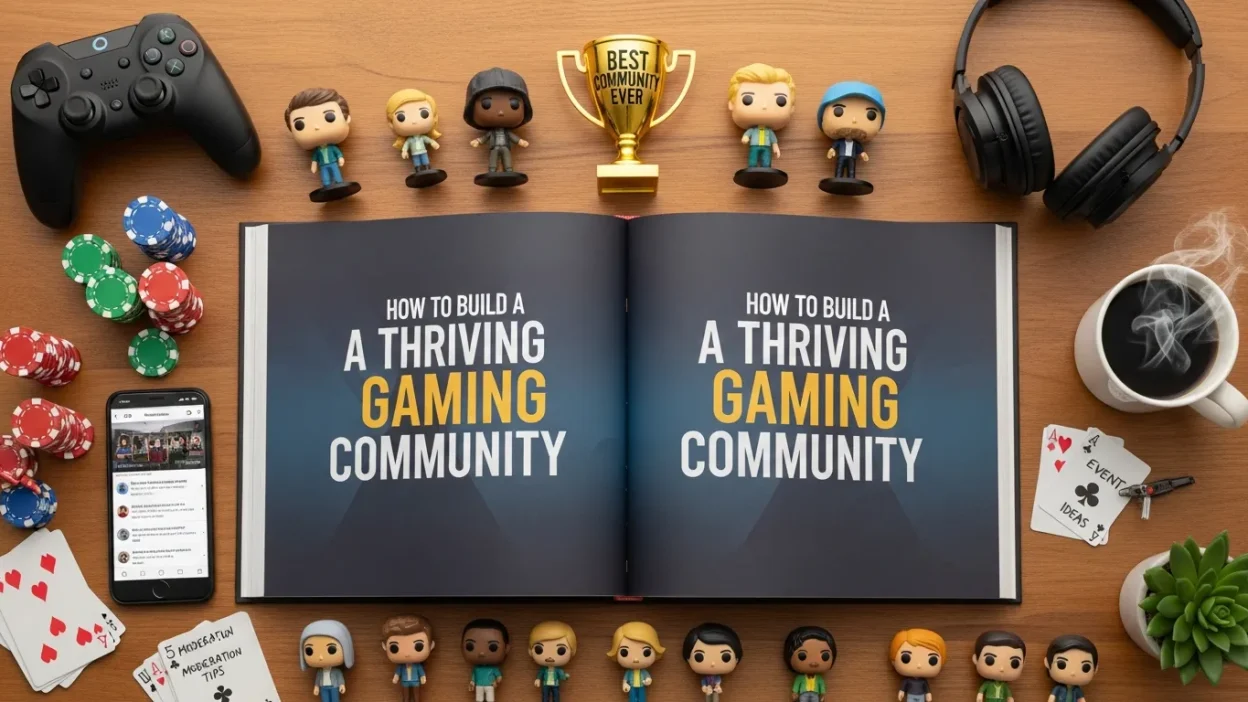
Building a thriving gaming community requires more than gathering players in one place. It demands psychological understanding, structured systems, consistent engagement, strong moderation, and long-term strategic planning. From defining your niche and selecting the right platform to implementing gamification, SEO strategies, automation, and leadership development—every layer contributes to sustainable growth. When members feel belonging, recognition, and ownership, a thriving gaming community evolves into a self-sustaining ecosystem driven by loyalty and shared passion.
Creating a thriving gaming community is no longer just a hobbyist’s ambition—it’s a strategic move for gamers, developers, esports organizers, and gaming brands who want sustainable growth, deeper engagement, and long-term loyalty. In today’s hyper-connected digital landscape, players crave more than gameplay mechanics. They seek belonging, recognition, shared identity, and meaningful interaction.
A thriving gaming community becomes the emotional backbone of any gaming ecosystem. It transforms casual players into contributors, contributors into advocates, and advocates into long-term ambassadors. When built with intention, psychological insight, and smart digital strategy, such a community evolves into a powerful growth engine.
This guide dives deep into the psychology, structure, engagement systems, SEO alignment, and growth frameworks needed to create and sustain a thriving gaming community from the ground up.
Understanding the Psychology Behind a Thriving Gaming Community
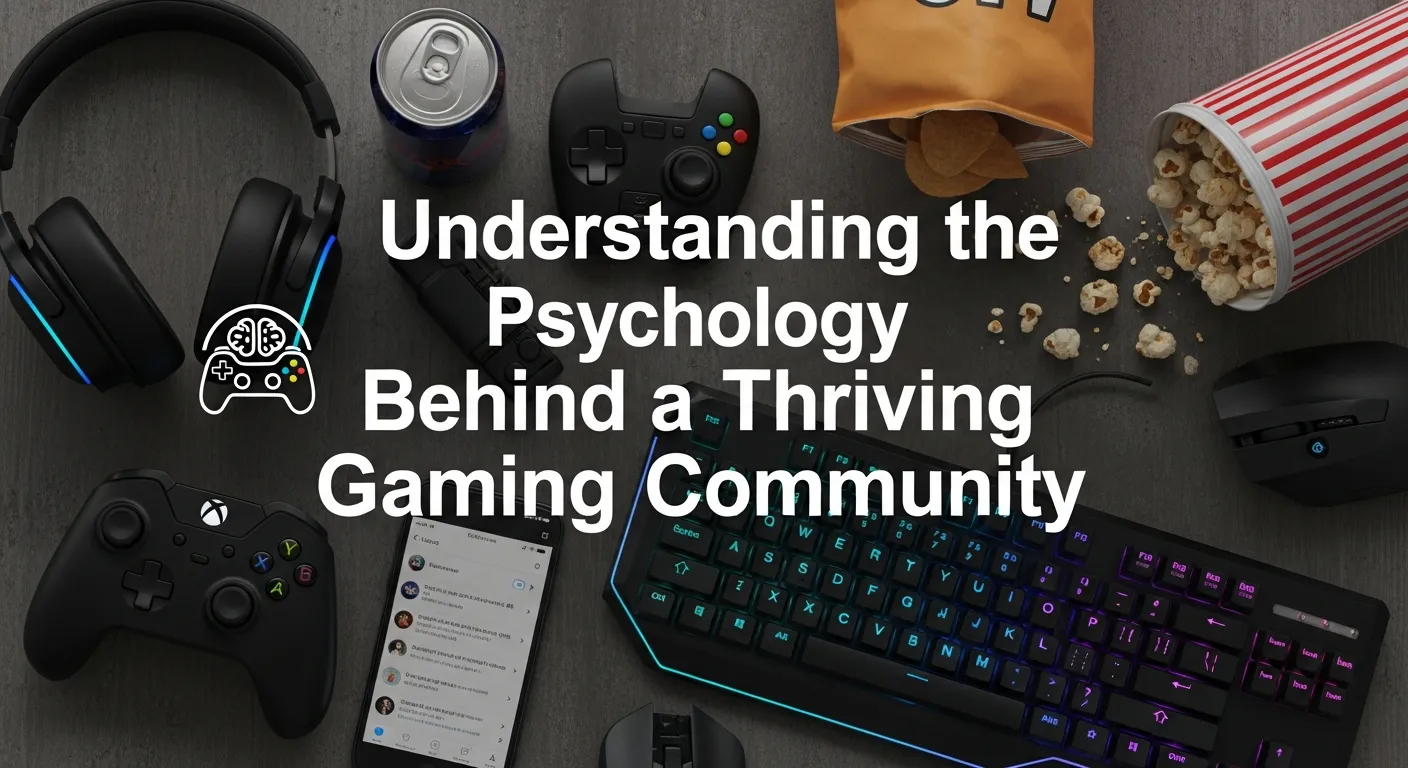
Before discussing tools and tactics, we must understand human behavior. People don’t join communities randomly—they join because specific psychological needs are met.
1. Belonging and Identity
Gaming is deeply identity-driven. Players associate themselves with specific genres, platforms, characters, or franchises. When someone joins a thriving gaming community, they are reinforcing their identity as “a competitive FPS player,” “a strategy mastermind,” or “a cozy indie gamer.”
Communities succeed when they:
- Reinforce shared values.
- Use inclusive language.
- Highlight member achievements.
- Create internal culture (memes, rituals, language).
The more emotionally invested members feel, the stronger the thriving gaming community becomes.
2. Recognition and Status
Gamers love progression systems. Leaderboards, ranks, achievements—these mechanics work because they activate status psychology.
A thriving gaming community mirrors this:
- Role badges
- Top contributor recognition
- Event champions
- Member spotlights
Status drives participation. Recognition fuels consistency.
3. Shared Challenge and Collaboration
Humans bond through shared struggle. Whether it’s defeating a raid boss, grinding ranked ladders, or surviving a tournament bracket, collaboration builds trust.
When structured intentionally, a thriving gaming community becomes a place where challenges unite members rather than divide them.
Defining Your Core Purpose and Niche
Every thriving gaming community begins with clarity.
Ask Yourself:
- Is this community centered around one game or multiple?
- Competitive or casual?
- Esports-focused or social-driven?
- Developer-led or player-led?
- Content-based or event-based?
Narrowing the Niche
Broad communities struggle. Specific communities grow faster.
Instead of:
“Gaming Community”
Choose:
“Southeast Asia Valorant Competitive Hub”
“Indie Horror Gamers Network”
“Women in Strategy Gaming”
Specificity attracts alignment. Alignment builds retention. Retention creates a thriving gaming community.
Platform Selection Strategy

Choosing the right platform determines interaction depth.
Discord
Ideal for real-time interaction, voice channels, role management, and events.
Best for:
- Competitive teams
- Clans
- Esports hubs
- Private member groups
Best for discussion-based communities and organic discovery.
Twitch
Perfect if live streaming and personality-driven engagement are central.
Facebook Groups
Strong for structured posts and broader accessibility.
Hybrid Ecosystem Strategy
A thriving gaming community often operates across:
- Discord (core interaction)
- Twitter/X (announcements & viral reach)
- Twitch (live engagement)
- Website/Forum (long-form content & SEO)
Cross-platform integration builds visibility and strengthens brand presence.
Building the Structural Foundation
A thriving gaming community needs architecture.
Server/Forum Structure
Organize channels by:
- Announcements
- General chat
- Game-specific discussions
- LFG (Looking for Group)
- Memes
- Tournaments
- Feedback
- Off-topic bonding
Clarity reduces chaos. Structure increases usability.
Community Guidelines and Behavioral Design
Rules are not restrictions—they’re culture blueprints.
Effective Guidelines Should:
- Promote respectful communication.
- Define zero tolerance for toxicity.
- Clarify spoiler policies.
- Set content sharing boundaries.
- Outline moderation process.
A safe environment is essential for a thriving gaming community. Without psychological safety, growth collapses.
Early Growth Strategy (First 500 Members)
The early stage determines long-term momentum.
1. Seed with Quality, Not Quantity
Invite:
- Engaged players
- Micro-influencers
- Passionate contributors
- Friends who actively participate
2. Daily Engagement Prompts
Post:
- Polls
- Match discussions
- Build advice threads
- Patch breakdown conversations
Momentum breeds participation.
3. Founder Visibility
Founders must:
- Reply actively
- Welcome new members personally
- Encourage discussions
Founder presence humanizes the thriving gaming community.
Content Strategy for Long-Term Engagement
Content fuels consistency.
Types of Content
- Educational (Guides, tutorials)
- Entertaining (Memes, clips)
- Competitive (Leaderboards)
- Social (Introductions, personal wins)
- Industry news
Mixing formats sustains energy within a thriving gaming community.
Event Systems That Build Loyalty
Events convert passive members into active participants.
Game Nights
Weekly recurring matches increase habit formation.
Tournaments
Structured competition builds anticipation and commitment.
Giveaways
Game keys, skins, or merch increase shareability.
Collaborative Challenges
Community-wide missions unify members.
A thriving gaming community thrives on shared experiences.
SEO Optimization for Sustainable Growth
Organic traffic is critical.
On-Page SEO Strategy
- Use long-tail keywords.
- Optimize headings (H2, H3).
- Internal linking to guides.
- Descriptive meta titles.
- Clean URL structures.
Content Clusters
Build pillar pages:
- “Ultimate Competitive Gaming Guide”
- “Esports Strategy Resource Center”
- “Beginner Gamer Starter Hub”
Then interlink subtopics.
Search visibility supports a thriving gaming community by consistently bringing new qualified members.
Integrating Automation and AI for Scalability
As your member count grows, automation becomes essential.
A Lead Generation Chatbot can help onboard new members automatically, collect email addresses, and segment players by interests.
Voice Enabled Chatbots can enhance accessibility for players who prefer hands-free interaction during live sessions or community navigation.
Voice Assistant Bots can integrate with Discord or mobile apps to announce events, schedule reminders, or deliver patch updates.
AI Interaction Hubs can centralize communication between website, Discord, social channels, and event management systems, streamlining engagement workflows.
Automation reduces burnout and maintains consistency—key pillars of a thriving gaming community.
Moderation and Leadership Development
Scaling requires delegation.
Moderator Selection Criteria
- Active participation
- Calm under conflict
- Aligned with community values
- Reliable communication
Train moderators on:
- Conflict resolution
- De-escalation tactics
- Cultural sensitivity
- Platform tools
Leadership layers protect the integrity of a thriving gaming community.
Gamification Systems Inside the Community
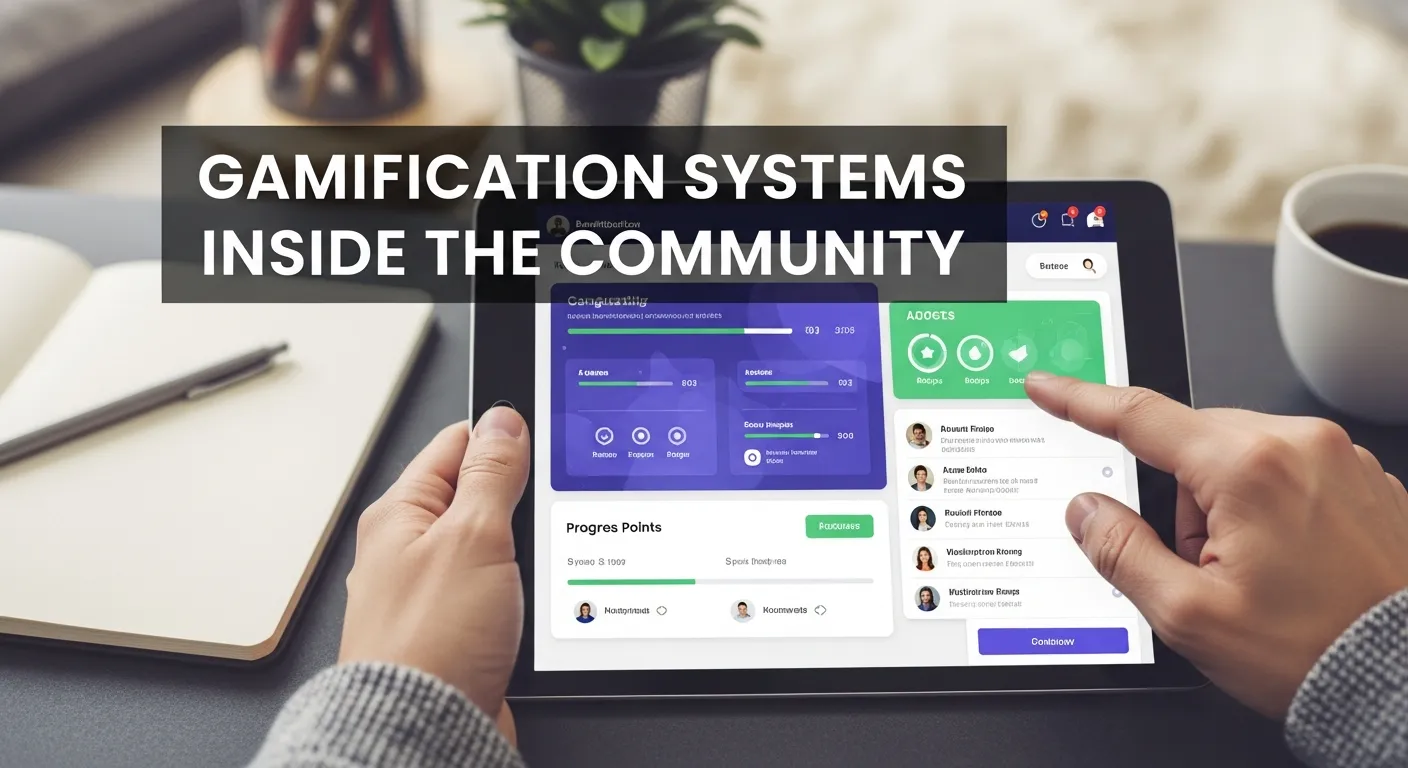
Gamification amplifies engagement.
Reward Systems
- XP for participation
- Custom roles
- Access to exclusive channels
- Seasonal competitions
Gamification aligns with gamer psychology—progression equals motivation.
Emotional Retention Framework
Retention > Growth.
Emotional Hooks
- Inside jokes
- Member anniversaries
- Shared struggles
- Community traditions
- Public recognition
When members emotionally associate with a thriving gaming community, they rarely leave.
Monetization Without Alienation
Communities can generate revenue without harming trust.
Ethical Monetization Options
- Premium membership tiers
- Exclusive tournaments
- Merchandising
- Sponsorship collaborations
-
Patreon-style support
Transparency maintains credibility within a thriving gaming community.
Handling Toxicity and Crisis Management
Growth invites conflict.
Preventive Systems
- Clear rules
- Active moderation
- Immediate intervention
- Transparent enforcement
Crisis Response Strategy
- Acknowledge issues publicly
- Provide factual updates
- Avoid emotional escalation
- Protect victims
A resilient thriving gaming community handles adversity calmly.
Data-Driven Community Optimization
Track:
- Active members daily
- Message volume
- Event attendance
- Retention rate
- Conversion rate from visitor to member
Data reveals weak points and growth opportunities.
Advanced Growth: Partnerships and Influencer Collaborations
Collaborate with:
- Streamers
- Esports teams
- Gaming YouTubers
- Indie developers
Co-hosted events expand reach and credibility, accelerating the development of a thriving gaming community.
Community Culture Engineering
Culture determines longevity.
Define Core Values
Examples:
- Respect first
- Growth mindset
- Competitive integrity
- Inclusivity
Document and reinforce these values consistently.
Culture shapes behavior. Behavior sustains a thriving gaming community.
Long-Term Sustainability Framework
A thriving gaming community is not built overnight.
Quarterly Strategy Reviews
- What worked?
- What failed?
- What members want next?
- Are engagement rates rising or dropping?
Evolving With Trends
- Adopt new platforms
- Integrate new game releases
- Explore emerging tech
- Refresh event formats
Communities stagnate when leaders resist change.
Building Emotional Ownership Among Members
Ownership multiplies engagement.
Encourage:
- Member-run events
- Community voting
- Content contributions
- Strategy debates
- Design competitions
When members feel partial ownership, a thriving gaming community becomes self-sustaining.
Scaling from 1,000 to 10,000 Members
At scale:
- Introduce segmented channels.
- Appoint senior moderators.
- Automate onboarding.
- Implement structured event calendars.
- Publish monthly roadmaps.
Scaling requires systems, not improvisation.
Branding and Visual Identity
Brand consistency enhances recognition.
Include:
- Logo
- Color theme
- Tagline
- Community hashtag
- Branded overlays for streams
Strong branding strengthens the perception of a thriving gaming community.
Leveraging Storytelling
Storytelling binds communities emotionally.
Highlight:
- Underdog wins
- Member journeys
- Tournament comebacks
- Milestone celebrations
Stories humanize digital spaces.
Cross-Community Collaboration
Cross-community collaboration is a powerful strategy for expanding reach and strengthening your ecosystem. Instead of growing in isolation, partnering with adjacent niches allows your network to tap into aligned audiences who already share overlapping interests. Strategic collaboration introduces fresh perspectives, new engagement styles, and diversified content formats that keep your community dynamic and relevant.
For example, working with cosplay communities can bring creative energy and visual storytelling into your space, especially during themed events or game launches. Collaborating with game development groups opens opportunities for beta testing, feedback sessions, and behind-the-scenes discussions that deepen member involvement. Streaming collectives can amplify visibility through co-hosted live sessions, tournaments, and interactive broadcasts. Even tech gadget reviewers can contribute value by discussing gaming gear, performance optimization, and hardware recommendations that resonate with players.
When executed thoughtfully, cross-pollination builds credibility, expands brand authority, and accelerates growth. By forming meaningful partnerships rather than one-off promotions, you create a broader network effect that continuously feeds new energy and engagement into your thriving gaming community.
Final Thought Within This Growth Blueprint
Building a thriving gaming community is equal parts psychology, structure, strategy, consistency, and empathy. It requires intentional culture design, sustainable engagement systems, intelligent automation, SEO-driven visibility, and emotional intelligence.
When done correctly, a thriving gaming community evolves into more than just a digital gathering—it becomes a living ecosystem of connection, loyalty, growth, and shared passion.
The path is not instant. It demands persistence. But once momentum builds, the community begins to grow organically, driven by members who believe in the space you created.
And that is when you know you have built something truly powerful—a thriving gaming community that stands the test of time.
Frequently Asked Questions
1. What makes a thriving gaming community different from a regular gaming group?
A strong gaming community goes far beyond casual chats or occasional gameplay sessions. It operates with structured engagement systems, clear leadership, defined cultural values, and consistent activity. Members feel emotionally invested, recognized for their contributions, and connected through shared identity. Unlike regular groups that fade over time, a well-built community sustains momentum through strategy and purpose.
2. How long does it take to build a thriving gaming community?
Building a solid player community typically takes 3–12 months of consistent effort. Growth speed depends on niche focus, engagement quality, leadership involvement, and promotional strategy. Strong foundations—culture, moderation, and content systems—determine long-term success.
3. What platform is best for building a gaming community?
There is no single perfect platform. Discord works well for real-time interaction and organized channels. Reddit supports organic discovery and discussion-based growth. Twitch is ideal for live-centered ecosystems. Many successful communities combine multiple platforms for maximum reach and engagement.
4. How do you prevent toxicity in a gaming community?
Preventing toxicity requires proactive moderation, clear behavioral guidelines, transparent enforcement, and consistent cultural reinforcement. When members feel safe and respected, the entire community ecosystem becomes healthier and more sustainable.
5. Can a small niche group become successful over time?
Absolutely. Niche groups often grow faster because they attract highly aligned members with shared interests. Specific communities usually experience stronger engagement and retention compared to broad, unfocused groups.
6. How important is gamification in community growth?
Gamification is highly effective because it aligns with gamer psychology. XP systems, badges, rankings, and exclusive roles encourage participation and healthy competition. Structured reward systems increase long-term activity.
7. Should a community focus on one game or multiple games?
Starting with one focused game or niche builds a stronger identity and clearer positioning. Once the foundation is stable, expansion into other titles can happen naturally without weakening brand identity.
8. How can SEO support community growth?
SEO drives sustainable traffic by attracting users actively searching for gaming resources. Optimized guides, structured content clusters, and strategic keywords help bring consistent new members into your digital hub.
9. Is monetization possible without damaging trust?
Yes, when transparency and value are prioritized. Premium tiers, exclusive events, or merchandise can strengthen commitment if members clearly understand how revenue supports growth and improvements.
10. What role does leadership play in long-term success?
Leadership shapes culture, resolves conflicts, maintains consistency, and guides vision. Active and responsible leadership ensures stability and encourages positive member behavior.
11. How do you scale beyond 1,000 members?
Scaling requires systems—automation tools, layered moderation, segmented discussion spaces, structured events, and data tracking. Clear organization prevents chaos as membership grows.
12. Why do members stay loyal over time?
Loyalty develops through emotional connection, recognition, shared identity, and meaningful interaction. When members feel valued and heard, they remain engaged for the long term.