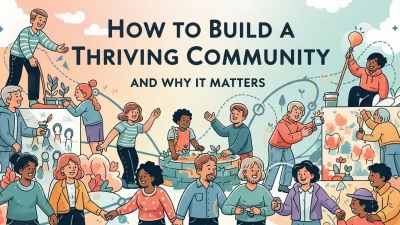


Building strong relationships with customers requires more than selling products or services. A Brand community gives customers a place to connect with a business, share experiences, exchange ideas, and interact with people who have similar interests. When managed effectively, a brand community can strengthen trust, encourage participation, and create long-term customer loyalty.
Unlike traditional marketing, a brand community focuses on relationships rather than one-way promotion. Members become active participants in the brand experience, which can create stronger emotional connections and increase customer engagement. Through consistent communication, valuable content, and meaningful interactions, businesses can turn customers into loyal supporters.
What Is a Brand Community?
A brand community is a group of customers, followers, fans, or users who share an interest in a particular brand and interact around that shared connection. Members may communicate through social media groups, online forums, private platforms, events, messaging channels, or other digital spaces.
The purpose is not simply to gather a large number of followers. A successful community creates opportunities for people to participate, communicate, and develop relationships with both the brand and other members. For businesses, this creates an environment where customers can ask questions, provide feedback, share experiences, and learn from one another. Over time, these interactions can strengthen the relationship between customers and the brand.
Why Brand Community Matters for Businesses
 A strong community can support several important business goals. It can improve customer relationships, encourage repeat purchases, increase brand awareness, and provide valuable insights into customer expectations.
Builds Stronger Customer Relationships
Customers are more likely to trust businesses when they feel heard and valued. A community creates regular opportunities for brands to communicate directly with their audience.
Instead of interacting with customers only when they make a purchase, businesses can maintain relationships through discussions, educational content, events, feedback sessions, and community activities.
Increases Customer Loyalty
Loyalty develops when customers consistently receive value from a brand. A community can provide useful information, exclusive experiences, recognition, and opportunities to connect with others.
When members feel that they belong to something meaningful, they may become more emotionally connected to the brand. This can encourage repeat engagement and long-term loyalty.
Creates Brand Advocates
Satisfied community members can naturally become brand advocates. They may recommend products, answer questions from other members, share experiences, or create user-generated content.
These authentic interactions can influence potential customers because recommendations from real users often feel more trustworthy than traditional promotional messages.
How Brand Community Builds Trust
Trust is one of the most important outcomes of an active and well-managed community. Businesses can build trust by communicating openly and consistently.
Communicate Transparently
Transparency helps customers understand how a business operates and how it responds to concerns. Community managers should provide honest information instead of avoiding difficult questions.
If a problem occurs, acknowledging it and explaining what is being done can demonstrate accountability. Even when the business cannot immediately provide a solution, clear communication can help maintain credibility.
Provide Consistent Value
A community should offer more than advertisements. Businesses should regularly share educational resources, helpful advice, industry insights, discussions, and content that addresses member needs. Consistent value shows customers that the community exists to support them rather than simply generate sales.
Respond to Feedback
Customer feedback can reveal what people like, what frustrates them, and what they expect from a brand. Businesses should listen carefully and respond appropriately. When members see that their feedback is considered, they are more likely to believe that the brand genuinely values their opinions.
The Role of Community Engagement
Community engagement is essential for creating an active and valuable brand environment. A community with thousands of members can still be ineffective if people rarely participate. Businesses should create opportunities that encourage members to ask questions, share opinions, respond to discussions, and interact with one another.
Start Meaningful Conversations
Instead of constantly publishing promotional posts, ask questions that encourage members to share their experiences. Questions about challenges, preferences, industry trends, and personal experiences can generate meaningful conversations. Open-ended discussions also provide businesses with useful insights into customer interests and expectations.
Recognize Active Members
Recognition can encourage continued participation. Businesses can highlight helpful contributors, celebrate member achievements, feature user-generated content, or provide exclusive benefits to active participants. Recognition does not always need to involve financial rewards. A simple public acknowledgment can make members feel appreciated.
Encourage Member-to-Member Interaction
The strongest communities are not completely dependent on the brand for activity. Members should feel comfortable answering questions, exchanging recommendations, and helping one another. This peer-to-peer interaction creates a stronger sense of belonging and makes the community more valuable to its members.
Online Community Building Strategies That Work
 Effective online community building requires a clear purpose and consistent effort. Businesses should understand why the community exists and what members should gain from participating.
Choose the Right Platform
The platform should match the audience and community objectives. Businesses may use social media groups, forums, messaging platforms, private membership sites, or dedicated community software. The best platform is not necessarily the one with the most features. It should be easy for the target audience to access and participate in regularly.
Create Clear Community Guidelines
Clear guidelines help maintain a respectful and productive environment. Rules should address spam, harassment, offensive content, excessive self-promotion, privacy concerns, and inappropriate behavior. However, guidelines should not make members afraid to express different opinions. The goal is to create a safe environment while allowing genuine conversations.
Make New Members Feel Welcome
First impressions matter. New members should receive clear information about the community, its purpose, and how they can participate. Welcome posts, introduction discussions, helpful resources, and simple conversation prompts can make newcomers feel comfortable and encourage early participation.
Community Management and Long-Term Trust
Effective community management keeps the community organized, active, and aligned with its purpose. Community managers are responsible for encouraging discussions, answering questions, monitoring conversations, and maintaining community standards.
Respond Quickly and Professionally
Members appreciate timely responses, particularly when they have questions or concerns. Quick communication shows that the brand is paying attention. However, speed should not come at the expense of quality. Responses should be helpful, respectful, and relevant to the member’s situation.
Handle Negative Feedback Professionally
Negative comments are inevitable in most communities. Deleting criticism without a valid reason or responding aggressively can damage trust. Instead, community managers should listen carefully, acknowledge legitimate concerns, and provide appropriate solutions. If a discussion involves private information, it should be moved to a suitable support channel.
Maintain Consistent Activity
An inactive community can quickly lose momentum. Businesses should establish a realistic schedule for discussions, educational content, member recognition, events, and other activities. Consistency does not mean posting constantly. It means maintaining a reliable level of activity that gives members a reason to return.
Use Content to Strengthen the Community
Content can play a major role in keeping members interested. However, content should be created around member needs rather than purely around business objectives.
Educational Content
Tutorials, guides, tips, case studies, and expert insights can help members solve problems and learn new skills. Educational content can also position the brand as a knowledgeable and reliable resource.
User-Generated Content
Encourage members to share experiences, photos, success stories, reviews, questions, or creative ideas. User-generated content can make the community feel more authentic. Featuring member contributions can also encourage others to participate because they can see that their contributions may receive recognition.
Exclusive Community Content
Businesses can provide community members with exclusive resources, early announcements, special events, expert sessions, or behind-the-scenes content. Exclusive experiences give people an additional reason to remain active and can strengthen their connection with the brand.
Measure Brand Community Success
Businesses should track community performance to understand whether their efforts are producing meaningful results. Member numbers alone do not provide a complete picture.
Track Engagement
Monitor comments, discussions, reactions, questions, content contributions, and returning participants. These indicators can reveal whether members are actively participating.
Monitor Member Retention
A healthy community should retain members over time. If many people join but quickly become inactive, businesses should investigate possible reasons. The onboarding experience, content quality, platform usability, and frequency of communication may all influence retention.
Collect Member Feedback
Regular surveys and feedback discussions can help identify what members enjoy and what they would like to improve. Feedback can also help businesses discover new content ideas, product opportunities, and customer experience issues.
Common Brand Community Mistakes to Avoid
A community can struggle when businesses treat it only as another advertising channel. Constant promotional posts may reduce engagement and make members feel that they are being targeted rather than supported. Another common mistake is ignoring member feedback. If people repeatedly raise questions or concerns without receiving meaningful responses, trust can decline.
Inconsistent activity can also weaken a community. Businesses do not need to post every day, but they should maintain a predictable level of interaction. Poor moderation is another issue. Without clear rules and fair enforcement, spam, harassment, and unnecessary conflicts can make members uncomfortable. Finally, focusing only on member growth can be misleading. A smaller community with active and loyal members may provide greater value than a large audience with little participation.
How to Build Long-Term Brand Loyalty
Long-term loyalty develops when members consistently receive value and feel connected to the brand. Businesses should focus on creating experiences that make customers want to remain involved. Personalized communication can make members feel recognized rather than treated as anonymous followers. Exclusive experiences can reward loyal participants, while community events can create stronger relationships between members.
Businesses should also continuously improve based on feedback. As customer expectations change, the community should evolve with them. A successful brand community is therefore not a one-time marketing project. It is an ongoing relationship-building strategy that requires attention, consistency, and genuine commitment.
The Future of Brand Communities
 Digital communities are becoming increasingly important as customers look for more authentic ways to interact with businesses and other consumers. Brands that create useful and welcoming spaces can develop stronger relationships than those relying only on traditional promotional channels.
Technology can also make community experiences more personalized. Automation, analytics, AI-powered tools, and social platforms can help businesses identify trends, respond to common questions, and deliver more relevant experiences. However, technology should support human interaction rather than completely replace it. Authentic conversations, personal responses, and genuine member relationships will remain central to successful communities.
Frequently Asked Questions
1. What is a brand community?
A brand community is a group of customers or followers who share an interest in a brand and interact with the business and other members around that shared interest.
2. Why is a brand community important?
A brand community can increase customer engagement, strengthen trust, encourage loyalty, generate feedback, and turn satisfied customers into brand advocates.
3. How does a brand community build trust?
It builds trust through transparent communication, consistent value, responsive support, active listening, and genuine interaction with members.
4. What is the difference between a brand community and social media followers?
Social media followers may simply consume content, while community members are encouraged to actively participate, communicate, share experiences, and build relationships.
5. How can businesses increase community engagement?
Businesses can increase engagement by asking questions, creating useful discussions, recognizing active members, encouraging peer interaction, and providing valuable content.
6. What platforms can be used for a brand community?
Businesses can use social media groups, online forums, private membership platforms, messaging channels, and dedicated community platforms depending on their audience and objectives.
7. How does online community building support customer loyalty?
Online community building creates regular opportunities for customers to interact, receive value, share experiences, and develop stronger emotional connections with a brand.
8. What does community management involve?
Community management includes moderating discussions, responding to members, creating engagement opportunities, handling conflicts, sharing content, and maintaining community guidelines.
9. Should a brand community focus on selling products?
Selling should not be the primary focus. A successful community should provide value, education, support, and meaningful interactions before promoting products or services.
10. How can businesses measure brand community success?
Businesses can measure success through engagement rates, active members, member retention, discussions, user-generated content, feedback, referrals, and other relevant community metrics.
Conclusion
A strong Brand community can transform customer relationships by creating a space where people feel valued, heard, and connected. Through effective online community building, consistent community engagement, and thoughtful community management, businesses can build trust while creating stronger customer loyalty.
The most successful communities focus on people rather than promotion. When businesses consistently provide value, encourage meaningful conversations, listen to feedback, and recognize members, they can create an environment that supports long-term relationships and sustainable brand growth.