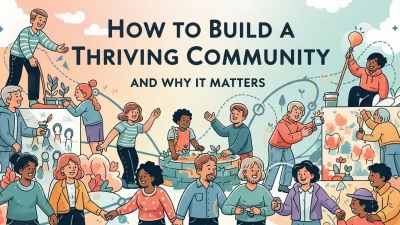


Community engagement strategies help businesses create meaningful relationships with customers, encourage ongoing interaction, and build stronger brand connections. Instead of focusing only on selling products or services, businesses can create spaces where customers feel heard, valued, and connected. These relationships can strengthen trust and encourage customers to remain engaged with a brand over time.
Modern customers often want more than a simple transaction. They look for businesses that understand their interests, respond to their concerns, and provide useful experiences. A well-planned community strategy can support these expectations through conversations, educational content, events, feedback opportunities, and personalized interactions.
What Are Community Engagement Strategies?
Community engagement strategies are structured approaches businesses use to interact with customers, followers, members, and other audiences. These strategies can include social media discussions, online groups, events, educational content, surveys, feedback programs, and customer-focused activities.
Creating Meaningful Interactions
Meaningful interaction goes beyond posting promotional content. Businesses should create opportunities for people to ask questions, share experiences, provide feedback, and communicate with others who have similar interests.
When people feel that their participation matters, they are more likely to contribute regularly. Consistent two-way communication can make a community feel active, welcoming, and valuable.
Focusing on Community Needs
A successful community should provide value to its members. Businesses can identify common questions, challenges, interests, and expectations to create content and activities that address those needs.
Understanding community needs also helps businesses avoid overly promotional communication. When the primary focus is providing value, customers may develop a stronger perception of the brand as a helpful resource.
Why Community Engagement Builds Trust
 Trust develops through consistent experiences, transparent communication, and meaningful interactions. Businesses that actively communicate with their communities can demonstrate that they care about customer opinions and experiences.
Encouraging Transparent Communication
Transparency can strengthen relationships by helping customers understand what a business stands for and how it responds to feedback. Businesses can openly discuss updates, changes, product improvements, and common customer concerns.
When organizations communicate honestly and consistently, customers can develop greater confidence in the relationship. Even when a business cannot immediately solve a problem, acknowledging the issue can demonstrate responsiveness.
Showing Customers That Their Opinions Matter
Customers want to know that their feedback can influence improvements. Businesses can create surveys, polls, feedback sessions, and discussion threads to encourage participation.
More importantly, businesses should demonstrate how useful feedback is being considered. Sharing updates based on community suggestions can show members that their contributions have a meaningful purpose.
The Role of a Brand Community
A Brand community is a group of customers or followers connected by a shared interest in a business, product, service, or brand identity. A strong community can become an important environment for communication, learning, advocacy, and relationship building.
Creating a Shared Identity
A community becomes stronger when members have something meaningful in common. This could be a shared interest, professional goal, lifestyle, product experience, or passion.
Businesses can strengthen this identity through community-focused content, discussions, challenges, events, and member recognition. A shared identity can encourage members to interact with each other rather than communicating only with the brand.
Encouraging Member-to-Member Interaction
A community should not depend entirely on communication between the company and customers. Member-to-member interaction can make the community more active and valuable.
Customers can answer questions, share experiences, recommend solutions, and provide practical advice. These peer interactions can create a sense of belonging and make members feel that they are part of something larger.
How Community Engagement Strengthens Loyalty
Customer loyalty can develop when people consistently receive value and positive experiences from a brand. Community participation creates additional opportunities for customers to interact with a business beyond individual purchases.
Creating Emotional Connections
Emotional connections can make customer relationships more meaningful. Businesses can use storytelling, community events, customer spotlights, and shared experiences to create stronger connections with their audiences.
When customers associate a brand with positive experiences and meaningful interactions, they may become more willing to continue engaging with it. Emotional connection can therefore complement product quality and customer service.
Recognizing Active Members
Recognition can encourage customers to participate more frequently. Businesses can highlight valuable contributions, celebrate community milestones, feature customer stories, or provide exclusive experiences.
Recognition does not always need to involve financial rewards. A simple acknowledgment can make members feel appreciated and encourage continued participation.
Effective Community Engagement Methods
Businesses can use different methods to create consistent and valuable interactions. The right approach depends on the audience, industry, platform, and overall business objectives.
Social Media Discussions
Social media platforms provide opportunities to start conversations, answer questions, share useful information, and encourage customers to interact. Instead of publishing only promotional posts, businesses can use questions, polls, educational content, and community stories.
Regular interaction in comments and direct conversations can make social media feel more personal. Businesses should respond consistently and maintain a tone that matches their brand identity.
Community Events and Activities
Online and offline events can bring members together around shared interests. Webinars, workshops, live discussions, product demonstrations, challenges, and networking sessions can encourage participation.
Events can also provide opportunities for customers to interact directly with company representatives and other community members. This can strengthen relationships while providing educational or practical value.
Customer-Generated Content
Customer-generated content can encourage community members to share their experiences. Reviews, testimonials, photos, videos, case studies, and social posts can provide authentic perspectives.
Featuring valuable contributions can motivate other members to participate. It can also help businesses demonstrate how customers are using their products or services in real situations.
Using Community Engagement to Improve Customer Experience
 Strong community interaction can provide businesses with useful information about customer expectations. Conversations often reveal questions, frustrations, preferences, and ideas that may not appear in traditional marketing data.
Gathering Customer Feedback
Community engagement creates direct opportunities to collect customer opinions. Businesses can ask members about product features, content preferences, service experiences, and future needs.
This feedback can support product development and marketing decisions. However, businesses should communicate clearly about how feedback will be reviewed and avoid promising changes that cannot realistically be delivered.
Identifying Customer Challenges
Community discussions can reveal recurring problems that customers experience. When multiple members ask similar questions, businesses can create educational resources, improve support documentation, or adjust communication.
Listening to recurring challenges also helps businesses identify areas where the overall customer experience may need improvement.
Building an Online Community
Online community building involves creating and maintaining a digital environment where people can connect around shared interests, goals, or experiences. Businesses can use social platforms, forums, private groups, membership platforms, and dedicated community websites.
Choosing the Right Platform
The best platform depends on where the target audience already spends time and how members prefer to communicate. Some communities may work well on social networks, while others may benefit from dedicated forums or membership platforms.
Businesses should consider communication features, moderation capabilities, content formats, privacy requirements, and community size before selecting a platform.
Creating Valuable Community Content
Content should give members a reason to return. Educational guides, expert discussions, tutorials, industry insights, questions, member stories, and exclusive resources can provide ongoing value.
A content calendar can help businesses maintain consistency without making the community feel repetitive. The goal should be to create useful conversations rather than simply increasing the number of posts.
Maintaining an Active Community
Building a community is only the beginning. Businesses need ongoing activities and communication to maintain participation and prevent members from losing interest.
Establishing Clear Community Guidelines
Community guidelines help create a safe and respectful environment. Rules can explain acceptable behavior, content standards, promotional restrictions, privacy expectations, and moderation procedures.
Clear guidelines make it easier for members to understand community expectations. They also provide moderators with a framework for addressing inappropriate behavior consistently.
Responding Consistently
Consistent responses show members that the business is actively involved. Questions should be acknowledged, useful comments should receive engagement, and important concerns should be handled appropriately.
Businesses do not need to respond instantly to every interaction, but they should establish reasonable response processes. Consistency can be more valuable than occasional bursts of activity.
Measuring Community Engagement
 Measuring performance helps businesses understand whether their community activities are creating meaningful results. Metrics should focus on both participation and relationship quality.
Tracking Engagement Metrics
Businesses can monitor comments, discussions, shares, reactions, event participation, returning members, content contributions, and response rates. These measurements can show whether members are actively participating.
However, high activity does not automatically mean a community is successful. Businesses should also examine whether interactions are meaningful and whether members receive value from participating.
Measuring Loyalty and Retention
Community strategies can also be connected to broader customer metrics such as repeat purchases, retention, referrals, customer satisfaction, and long-term engagement.
Comparing community participation with customer behavior may help businesses identify relationships between engagement and customer retention. Businesses should avoid assuming direct causation without appropriate analysis.
Best Practices for Successful Community Engagement
Successful community engagement requires consistency, authenticity, and a clear understanding of member needs. Businesses should focus on creating relationships rather than treating the community as another advertising channel.
Provide Value Before Promotion
Educational content, helpful conversations, resources, and peer interaction should form a significant part of community activity. Promotional content can be included, but excessive selling may reduce participation. When members consistently receive useful information, they have stronger reasons to remain active and return to the community.
Encourage Two-Way Communication
Businesses should not dominate every conversation. Asking questions, inviting opinions, encouraging members to share experiences, and responding to feedback can create a more collaborative environment. Two-way communication helps customers feel involved rather than simply targeted by marketing messages.
Stay Consistent Over Time
Community relationships develop gradually. Businesses should maintain regular communication, moderate discussions, provide valuable content, and recognize member contributions.
A community that receives consistent attention is more likely to remain active. Long-term commitment is therefore essential for turning occasional interactions into stronger customer relationships.
Conclusion
Community engagement strategies can help businesses build trust and loyalty by creating meaningful interactions, encouraging transparent communication, and giving customers opportunities to participate. When people feel heard and valued, they can develop stronger relationships with the brands they choose to support.
A successful Brand community provides more than promotional communication. It creates a space where customers can share experiences, exchange ideas, learn from one another, and interact with the business. Through effective Community engagement, businesses can better understand customer needs while improving the overall customer experience. At the same time, Online community building gives businesses an opportunity to maintain relationships across digital platforms. By providing valuable content, encouraging two-way communication, recognizing members, and consistently improving the community experience, businesses can create stronger connections that support long-term customer loyalty.
Frequently Asked Questions
1. What are community engagement strategies?
Community engagement strategies are planned approaches businesses use to interact with customers and community members. They may include discussions, events, social media activities, surveys, educational content, feedback programs, and member recognition.
2. How do community engagement strategies build trust?
They build trust by encouraging transparent communication, responding to customer concerns, providing value, and showing that member opinions are taken seriously. Consistent interaction can make customers feel more connected to a brand.
3. What is a Brand community?
A Brand community is a group of customers or followers connected by a shared interest in a brand, product, service, or related topic. Members can communicate with the business and with one another.
4. Why is Community engagement important for businesses?
Community engagement helps businesses create stronger customer relationships and understand audience needs. It can also support customer feedback, retention, advocacy, and long-term brand relationships.
5. How can businesses improve Community engagement?
Businesses can improve engagement by creating useful content, asking questions, responding consistently, recognizing active members, hosting events, encouraging discussions, and giving customers opportunities to share their experiences.
6. What is Online community building?
Online community building is the process of creating and maintaining a digital space where people can interact around shared interests, goals, products, or experiences. It can happen through social networks, forums, groups, or dedicated platforms.
7. How can a business keep an online community active?
Businesses can keep communities active by providing valuable content, starting regular discussions, organizing activities, answering questions, highlighting members, and maintaining consistent communication.
8. Can community engagement increase customer loyalty?
Community engagement can contribute to stronger customer relationships by creating ongoing value and positive interactions. However, loyalty also depends on factors such as product quality, customer service, pricing, and overall customer experience.
9. What type of content works well for communities?
Educational resources, customer stories, tutorials, discussions, polls, industry insights, live events, expert sessions, and user-generated content can encourage participation and provide value to community members.
10. How can businesses measure community engagement?
Businesses can measure comments, discussions, shares, participation rates, returning members, event attendance, content contributions, customer retention, referrals, and other relevant engagement indicators. The most useful metrics depend on the community’s goals.