
Building and maintaining a thriving online community is more than just attracting members—it’s about keeping them engaged and active. Virtual community engagement focuses on creating meaningful interactions, fostering personal connections, and delivering value that keeps members coming back. Using strategies like dialogue-driven content, gamification, member recognition, regular events, and data-driven insights, community managers can drive sustainable growth, enhance participation, and cultivate a loyal, interactive member base. By combining foundational and advanced tactics, communities of any size or niche can evolve into vibrant spaces that support networking, learning, and collaboration.
Building a thriving and profitable online community is one thing—keeping members active and engaged is an entirely different challenge. Many community managers struggle with dwindling participation, silent members, and low-value interactions that fail to foster genuine connections.
The good news? Virtual community engagement doesn’t have to be a mystery. With the right strategies, you can transform your online community into a vibrant hub where members actively interact, share ideas, and build meaningful relationships.
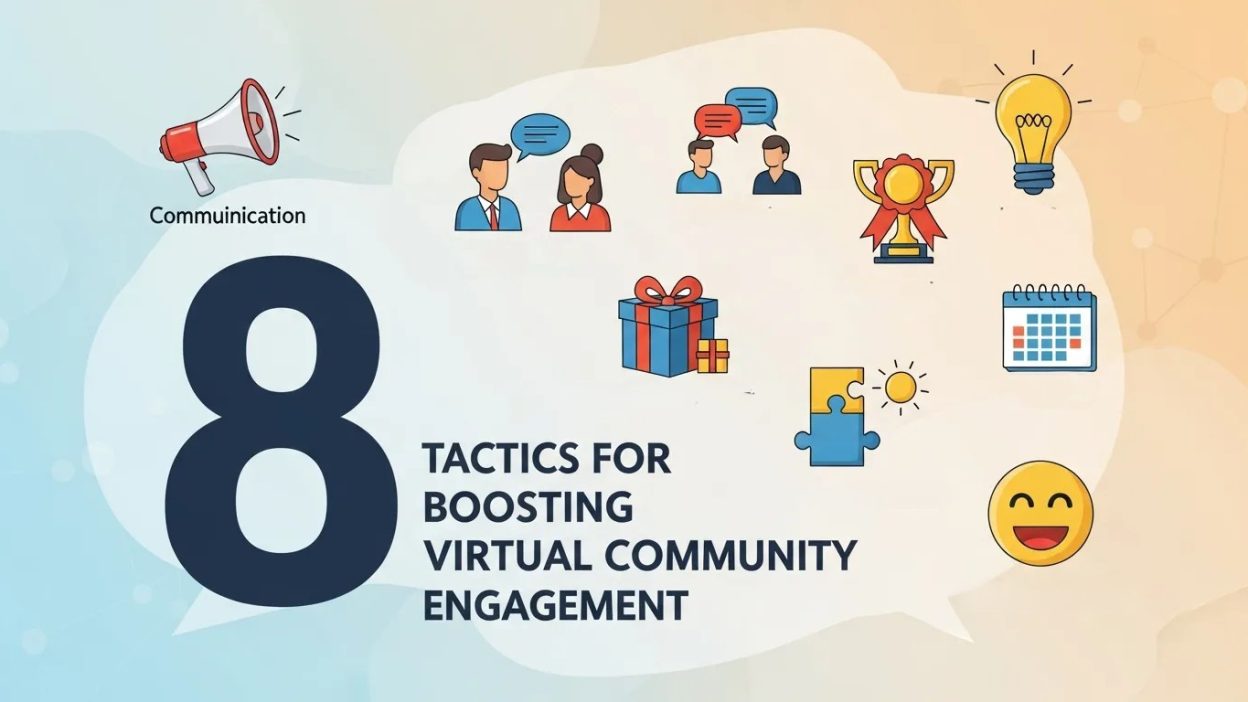
This playbook presents 8 proven tactics used by successful community builders to boost engagement and drive sustainable online community growth. These actionable strategies deliver real results, no matter the size or focus of your community.
Understanding Virtual Community Engagement
Virtual community engagement gauges how involved people are in your online environment. It’s not just about metrics, for example, how many members or page views. Engagement is not participation, it is helping to shape a real conversation sharing information and helping one another.
In short, engaged communities create a ripple effect. Active users lead to more new members, a growing repository of valuable contributions, and the social proof that motivates others to sign up. This “virtuous cycle,” of engagement springing from success, is what underpins sustained community success.
Leveraging Technology to Boost Virtual Community Engagement
Technology is not just a tool—it’s the backbone of successful virtual communities. The right tools increase interaction, streamline content delivery, and make engagement effortless for members.
Recommended tools include:
- Community Platforms: Slack, Discord, Mighty Networks, or Facebook Groups for structured interaction.
- Engagement Analytics: Track activity, participation trends, and popular content.
- Gamification Software: Tools that support points, badges, and leaderboards.
- Event Tools: Zoom, Hopin, or Crowdcast for live events and workshops.
- Content Management Systems: Easy content sharing and scheduling.
How to build an engaged online community
Virtual Community Engagement: 8 Proven Tactics to Boost Participation
Building a vibrant virtual community requires more than just signing up members—it’s about keeping them active, involved, and connected. The following eight tactics are designed to enhance virtual community engagement, stimulate meaningful interactions, and ensure long-term growth.
Tactic 1: Develop Content That Sparks Dialogue
Content is the gateway to engagement. Not all posts generate conversation, but strategically designed content can ignite active participation.
Key strategies:
-
Ask open-ended questions: Encourage storytelling and personal insights, e.g., “What was your biggest challenge this year and how did you overcome it?”
-
Share behind-the-scenes insights: Exclusive looks into your organization or field create curiosity and interaction.
-
Post thoughtful, respectful debates: Contrarian viewpoints stimulate discussion and keep members returning for fresh perspectives.
Tip: Engagement thrives when members feel their voice matters—design content that encourages meaningful responses, not just likes.
Tactic 2: Implement Gamification Elements
Gamification leverages psychology—people enjoy earning rewards, tracking progress, and friendly competition.
How to gamify your community:
-
Introduce points systems for posting, commenting, sharing resources, or welcoming newcomers.
-
Award badges for milestones such as consecutive posts, top contributions, or creative insights.
-
Display leaderboards to celebrate active members without creating negative competition.
-
Run monthly challenges or team contests to keep the community dynamic and interactive.
Gamification motivates members to participate consistently, turning passive users into active contributors.
Tactic 3: Foster Personal Relationships Among Members
Communities thrive when members feel connected—not only to the group but to each other and the moderation team.
Engagement strategies:
-
Feature member spotlights with success stories, fun facts, or interviews.
-
Host small virtual meetups or breakout sessions to encourage deeper conversations.
-
Create dedicated areas for personal updates, milestones, or celebrations, such as birthdays, achievements, or project wins.
Stronger personal connections lead to higher retention and deeper engagement over time.
Tactic 4: Offer Unique Value & Resources
Members stay engaged when they receive content or perks they cannot get elsewhere.
Ways to deliver value:
-
Provide members-only content: templates, guides, tutorials, or resource libraries.
-
Offer early access to products, services, or announcements.
-
Host exclusive events such as expert Q&As, networking sessions, or workshops.
When members feel rewarded for their participation, they return regularly and contribute actively.
Tactic 5: Respond to Member Concerns with Authenticity
Virtual engagement suffers when members feel unheard or ignored. Timely, authentic responses signal that the community is alive and valued.
Best practices:
-
Respond to comments or questions within 24 hours.
-
Train moderators to use personal, considerate replies rather than generic templates.
-
Escalate critical questions to experts or leadership for high-quality answers.
Authenticity builds trust, encourages repeat participation, and strengthens the community culture.
Tactic 6: Use Data to Optimize Engagement
Data-driven decisions can dramatically improve virtual community engagement.
Actions to take:
-
Track metrics such as post engagement, active members, retention, and conversation quality.
-
Survey members for feedback on content, features, and events.
-
Experiment with posting times, content formats, or activity types to discover what drives interaction.
Data allows community managers to continuously refine strategies, ensuring the community evolves with its members’ needs.
Tactic 7: Set a Clear Community Culture and Guidelines
Culture is the backbone of every successful community. Clear expectations guide behavior and foster a welcoming environment.
Implementation tips:
-
Develop accessible community guidelines covering appropriate behavior, content standards, and penalties for violations.
-
Lead by example—moderators and admins should model positive engagement.
-
Recognize and celebrate members who exemplify community values.
A strong culture encourages healthy interactions, reduces conflicts, and strengthens engagement.
Tactic 8: Organize Regular Events and Activities
Events provide structured opportunities for members to engage, share, and collaborate.
Ideas for community events:
-
Weekly or monthly live sessions: AMAs, expert talks, or skill-sharing workshops.
-
Seasonal or themed activities: Awareness weeks, industry-focused events, or annual challenges.
-
Collaborative long-term projects: Group tasks, co-created content, or ongoing learning programs.
Regular events give members reasons to check in, interact, and contribute consistently.
Measuring Virtual Community Engagement Success
Tracking engagement is critical to understand which strategies work and which need improvement.
Metrics to track:
-
Post engagement rates (likes, comments, shares)
-
Active member ratio (active vs. total members)
-
Retention rates (members returning weekly/monthly)
-
Response time to queries and comments
-
Participation in events and challenges
Virtual Community Engagement Metrics
| Metric | Measurement | Benchmark/Goal | Action Plan |
|---|---|---|---|
| Active Members | # of members posting/commenting weekly | 40–50% of total members | Introduce weekly challenges and prompts |
| Post Engagement | Avg likes/comments per post | 10+ interactions | Use conversation-starting content |
| Event Attendance | % of members attending live sessions | 30–40% | Schedule events at peak times |
| Response Time | Avg hours to reply to queries | <24 hours | Train moderators and create response templates |
| Content Shares | Avg shares per post | 5+ | Encourage members to share resources outside the community |
Building Your Community Engagement Strategy
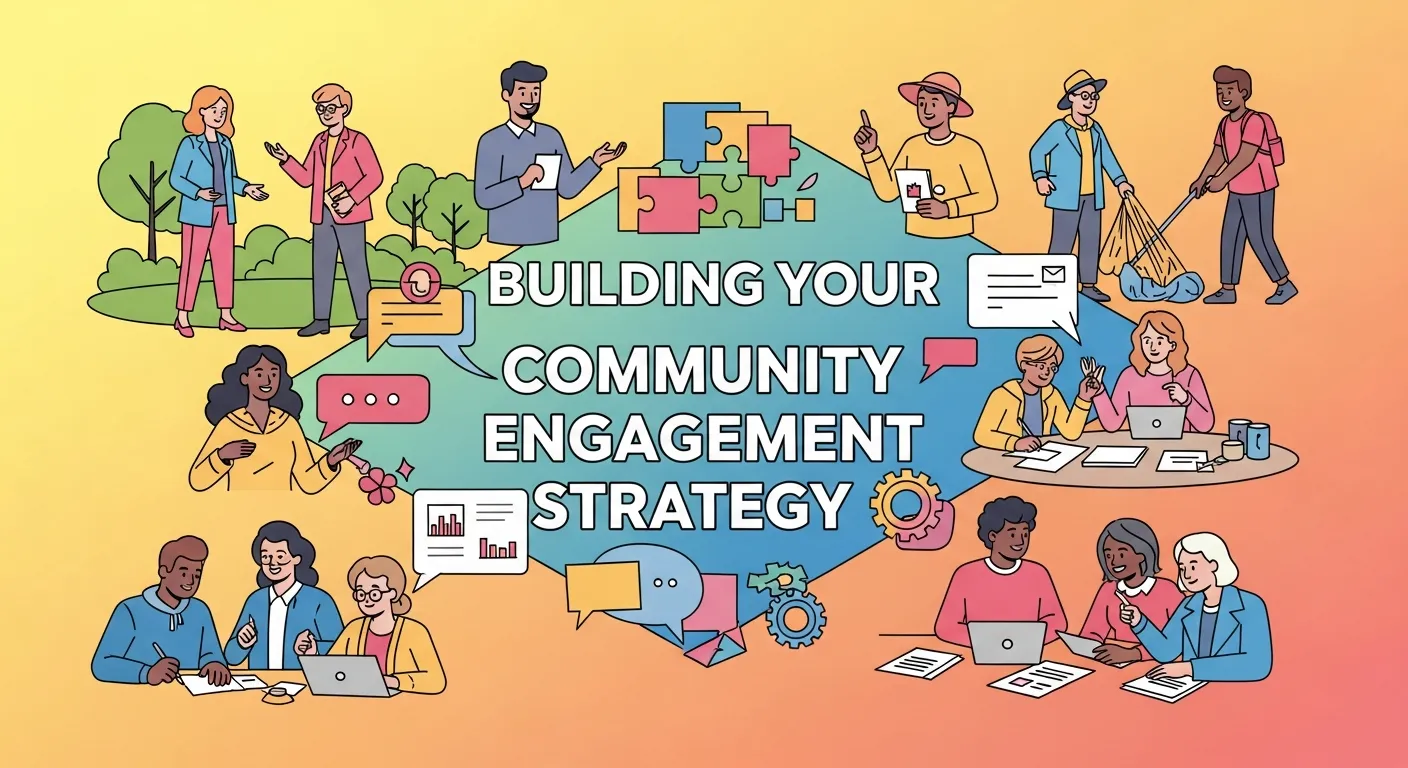
It takes hard work, draws and purpose to successfully engage a community in the virtual space. Begin by putting into place one or two tactics that make the most sense given the needs and resources of your community. Test the results, get feedback from members and then slowly roll out other tactics.
Keep in mind, engagement doesn’t happen overnight. Concentrate instead on producing real value for your members while building an atmosphere where people want to join in. These tactics have helped communities grow and thrive, and now, here’s how you can implement them in your own virtual space.
Advanced Tactics to Elevate Virtual Community Engagement
While the foundational strategies are essential, advanced tactics can help take your virtual community to the next level. These approaches deepen member involvement, encourage continuous participation, and foster a stronger sense of community.
Key advanced tactics include:
- Segmented Content Streams: Deliver content tailored to different member groups based on interests, activity levels, or demographics.
- Mentorship Programs: Pair experienced members with newcomers to foster deeper connections and encourage active participation.
- Cross-Platform Engagement: Extend your community across social media, forums, and mobile apps while keeping interactions centralized.
- Storytelling Campaigns: Encourage members to share personal success stories, challenges, or achievements related to the community’s purpose.
- Reward Long-Term Engagement: Recognize and reward members who consistently contribute with badges, shoutouts, or perks.
Creating a Feedback Loop for Continuous Virtual Community Engagement
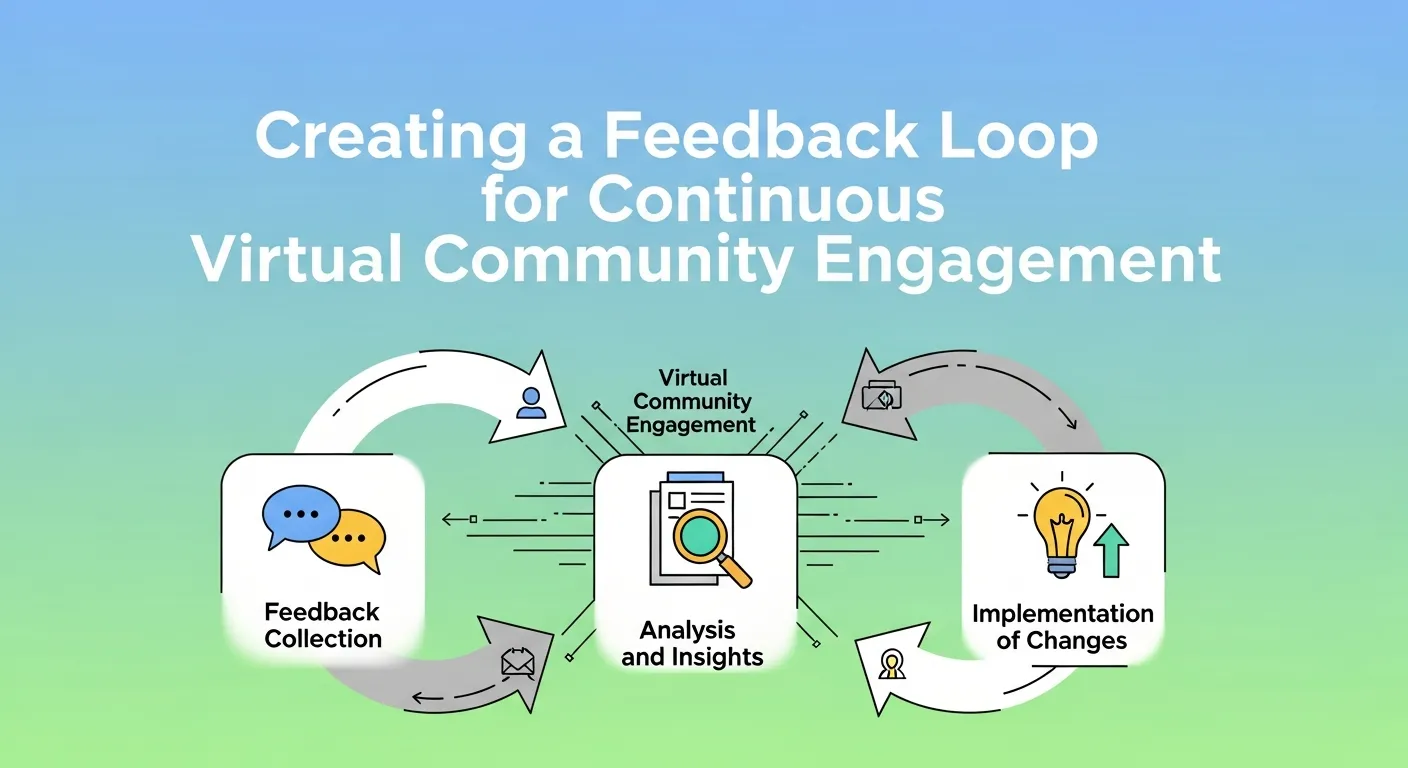
A thriving community evolves through listening and responding to members. Feedback loops help refine strategies, improve participation, and ensure your members feel heard.
Steps to implement:
-
Conduct quarterly surveys to understand satisfaction and needs
-
Use polls in posts to gauge member interest in content topics or events
-
Hold feedback sessions or focus groups with active members
-
Analyze trends in engagement metrics to optimize content and activities
Key Benefits:
-
Identifies gaps in engagement strategies
-
Strengthens member loyalty
-
Encourages proactive community management
-
Promotes continuous improvement
Conclusion
Virtual community engagement is essential for building lasting online communities that thrive. Active participation creates a ripple effect, attracting new members, generating valuable content, and establishing social proof. By implementing proven tactics—such as creating engaging content, fostering personal relationships, leveraging technology, and maintaining consistent interaction—community managers can ensure members stay connected, motivated, and involved. Continuous measurement, feedback, and innovation further strengthen the community, turning it into a dynamic, engaging, and sustainable ecosystem that delivers value for both members and organizers.
FAQs – Virtual Community Engagement (Extended)
1. What is virtual community engagement?
Virtual community engagement refers to the strategies, tools, and activities designed to actively involve members in meaningful discussions, collaborative projects, and interactive experiences within an online environment. It goes beyond simple participation metrics—such as likes or page views—and focuses on fostering authentic connections, knowledge sharing, and member-driven conversations that create a thriving digital ecosystem.
2. Why is community engagement important?
Engagement is the lifeblood of any online community. Active participation builds trust and loyalty among members, encourages them to return regularly, generates valuable content, and creates social proof that attracts new members. High engagement also supports growth, collaboration, and long-term sustainability, making the community a valuable asset for both members and organizers.
3. What are common challenges in virtual community engagement?
Many community managers face obstacles such as silent or “lurking” members, low participation in discussions, inconsistent posting, disengaged users, balancing content types, and managing interactions across multiple platforms. Other challenges include lack of trust, unclear community guidelines, and difficulty measuring meaningful engagement.
4. How can I encourage members to participate more?
Encouraging participation requires a mix of strategy and creativity:
-
Post open-ended questions that invite storytelling and personal experiences.
-
Use gamification techniques such as points, badges, or leaderboards.
-
Host regular live events, AMAs, or workshops.
-
Recognize and reward top contributors.
-
Share content that sparks conversation, including polls, challenges, or controversial-but-respectful topics.
5. What role does technology play in engagement?
Technology is the backbone of online community engagement. Platforms such as Slack, Discord, Facebook Groups, or Mighty Networks help structure discussions, enable real-time communication, and facilitate event hosting. Analytics tools track member activity and engagement patterns, while event platforms like Zoom, Hopin, or Crowdcast allow for interactive workshops, live Q&A, and webinars that keep members active and connected.
6. How do you keep virtual communities active?
Maintaining activity requires consistency and proactive management:
-
Post regularly with interactive or value-driven content.
-
Encourage personal sharing, polls, or challenges.
-
Host events like webinars, meetups, or collaborative projects.
-
Foster relationships between members and moderators.
-
Respond promptly to questions and comments to signal a living, active community.
7. What is gamification in virtual communities?
Gamification introduces game-like elements to motivate participation. This includes:
-
Rewarding points for posting, commenting, or sharing resources.
-
Awarding badges for reaching milestones.
-
Displaying leaderboards to celebrate top contributors.
-
Organizing team challenges or contests to encourage collaboration.
Gamification leverages human psychology—competition, achievement, and recognition—to keep members actively engaged.
8. How can I foster relationships among members?
Strong relationships increase retention and engagement:
-
Host virtual meetups, breakout sessions, or small discussion groups.
-
Spotlight members by sharing their success stories, achievements, or personal updates.
-
Create areas for milestones, celebrations, or peer support.
-
Encourage mentorship or buddy programs for deeper connections.
9. How do I measure engagement success?
Measuring success requires both quantitative and qualitative metrics:
-
Quantitative: Post engagement rates, active member ratios, event attendance, response times, and content shares.
-
Qualitative: Member feedback, sentiment in comments, quality of discussions, and collaborative outcomes.
Tracking these metrics allows community managers to refine strategies and focus on what drives meaningful participation.
10. What advanced tactics improve engagement?
Once foundational strategies are in place, advanced approaches can deepen involvement:
-
Segmented content streams: Target content to member groups based on interests or activity levels.
-
Mentorship programs: Pair newcomers with experienced members.
-
Cross-platform engagement: Expand activity across social media, forums, and mobile apps while centralizing interactions.
-
Storytelling campaigns: Encourage members to share personal experiences or achievements.
-
Reward long-term engagement: Recognize consistent contributors with perks, badges, or shoutouts.
11. How do I ensure virtual members feel valued?
Members feel valued when their contributions are recognized and responded to authentically:
-
Reply promptly to questions and comments.
-
Provide access to exclusive resources, early updates, or special events.
-
Publicly acknowledge helpful or thoughtful members.
-
Include members in decision-making, polls, or content creation initiatives.
12. What is the future of virtual community engagement?
The future will be shaped by immersive technologies, AI-driven personalization, and data-informed strategies:
-
AI can personalize content feeds, suggest connections, and automate moderation.
-
Augmented and virtual reality (AR/VR) can create more immersive, interactive events.
-
Cross-platform integration will allow seamless engagement across mobile, desktop, and social media.
-
Continuous feedback loops and analytics will guide tailored strategies, ensuring communities remain active, connected, and valuable.